Heideflamme Munster an der Örtze (D)
Faßberger Straße 11, 29633 Munster-Trauen
Last updated on
Something wrong or missing?
This club has closed for good.
Clubs nearby · Heideflamme Munster an der Örtze (D)
Prices, opening times and all features · Heideflamme Munster an der Örtze (D)
Features
Yes · 13
- Outdoor area (garden)
- Draught beer
- Food included
- Free parking
- Live shows
- Professional massage
- Adult cinema
- Finnish sauna
- Screened parking
- Slot machines
- Soft drinks included
- Live sport on TV
- Indoor whirlpool
No · 17
- Air conditioning
- Beer included
- Card payment / ATM
- Cocktails
- Step-free access
- Free Wi-Fi
- Live DJ
- Pick-up service
- Overnight stay possible
- Valuables lockers
- SM room
- Steam bath
- Indoor pool
- Outdoor pool
- Solarium
- Hot dinner
- Outdoor whirlpool
More features
Size / area
Medium-sized club
- Indoor
- 800 m²
- Outdoor
- 500 m²
What to expect at Heideflamme Munster an der Örtze (D)
Munster-Trauen
- Name origin
- The origin of the place name is disputed. One possibility is "monasterium" (Latin, = monastery).
- First documented mention
- 1252 AD
- Population
- 15,000
- Area
- 193.41 km²
- Federal state
- Niedersachsen
- District
- Heidekreis
- Vehicle registration
- HK
- River
- Örtze
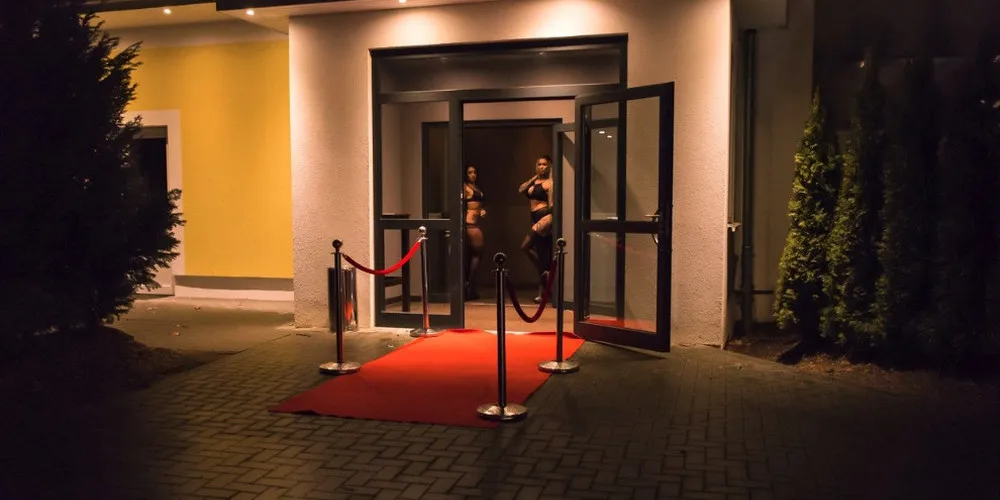
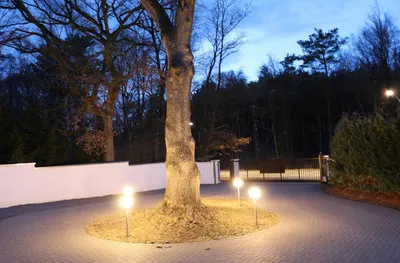
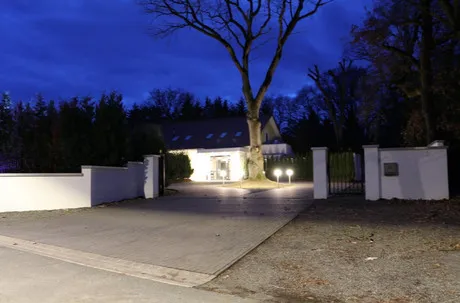
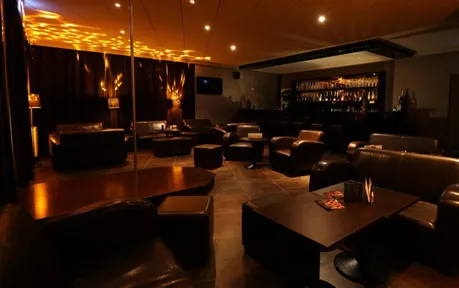
The club Heideflamme is located in Munster-Trauen.
Does anyone know Munsterlager? The military training areas Munster-Nord and Munster-Süd, between which Munster an der Oertze lies, connect generations of Bundeswehr soldiers with tedious manoeuvre-slogging in the Lüneburger Heide. No other German town is shaped so exclusively by its character as a garrison town as Munster. Munster is the largest location of the German army and one of the largest Bundeswehr sites overall.
The military training area was first used in 1893 under the command of Paul von Hindenburg, later Reichspräsident. In 1945 Munster was declared a hospital town, was a British garrison town, and its barracks, after being used as a prisoner camp with around 1.7 million discharges, formed the largest discharge camp for Wehrmacht POW soldiers.
For the town of Munster, otherwise idyllically situated in the heath landscape, the camp was both a curse and a blessing over all these years. The military was and still is the biggest economic factor and employer in Munster. The geographical position between the training areas, with their no-entry restrictions for the population, has to some extent isolated the town and prevented urban growth for decades; it was only granted town rights in 1967. However, this has allowed scenically unique habitats to develop locally, which make Munster a nature paradise. This pleasing development is somewhat marred by the fact that the training areas contain a legacy of chemical warfare agent testing from both World Wars. The Bundeswehr has since transferred the disposal tasks to a private company as part of international arms control treaties.
For understandable reasons, Munster lies rather off the beaten track, but is easily reached via the A7 motorway and has its own train station. The nearest towns are Soltau to the west, around 20 kilometres away, and Uelzen to the east, around 30 kilometres away.
Munster is home to the Deutsches Panzermuseum, which is jointly run by the town of Munster and the Bundeswehr's Munster training centre.