Harem Saunaclub Dormagen (D)
Rostocker Straße 13, 41540 Dormagen
Last updated on
Something wrong or missing?
This club has closed for good.
The Harem Saunaclub in Dormagen is closed. Its website has been shut down.
Clubs nearby · Harem Saunaclub Dormagen (D)
Prices, opening times and all features · Harem Saunaclub Dormagen (D)
Features
Yes · 11
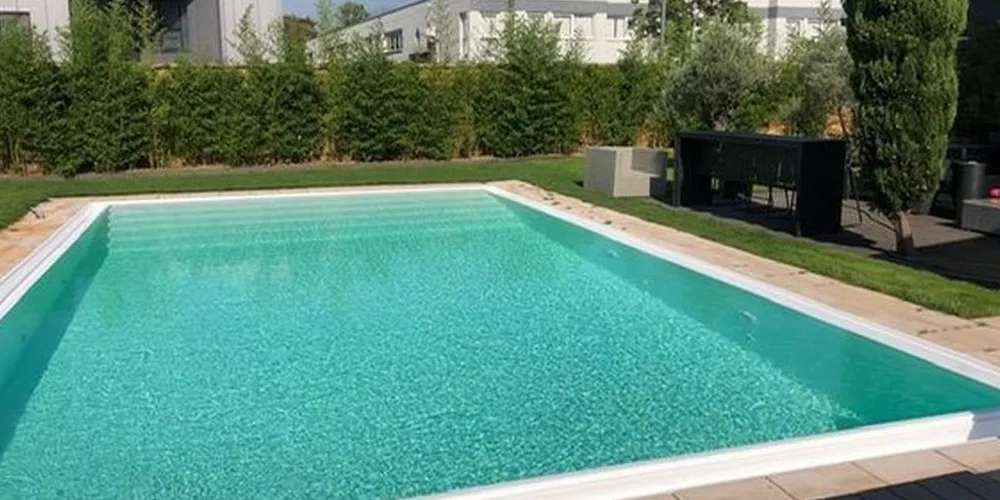
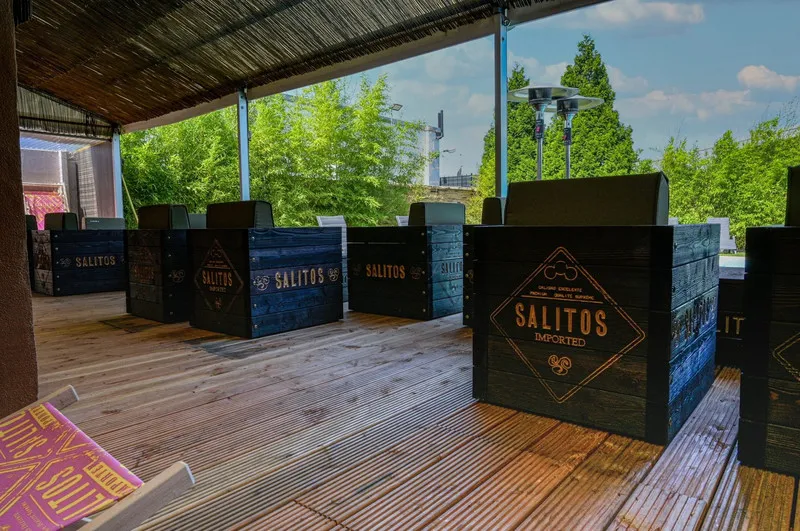
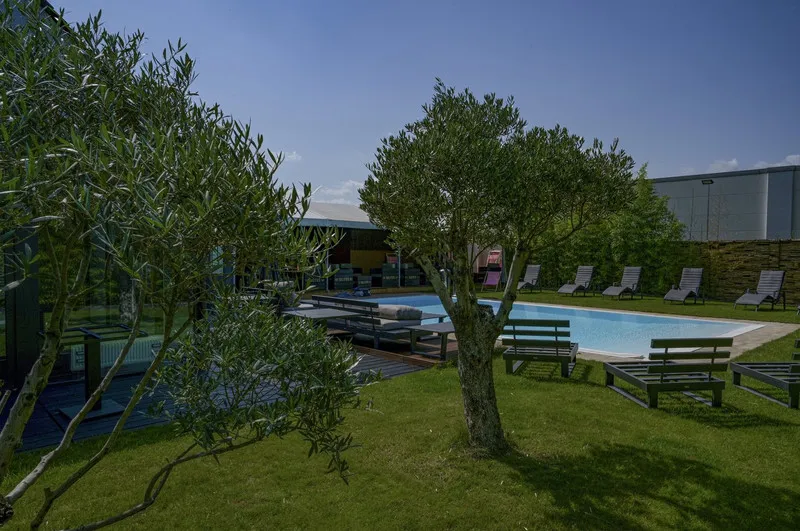
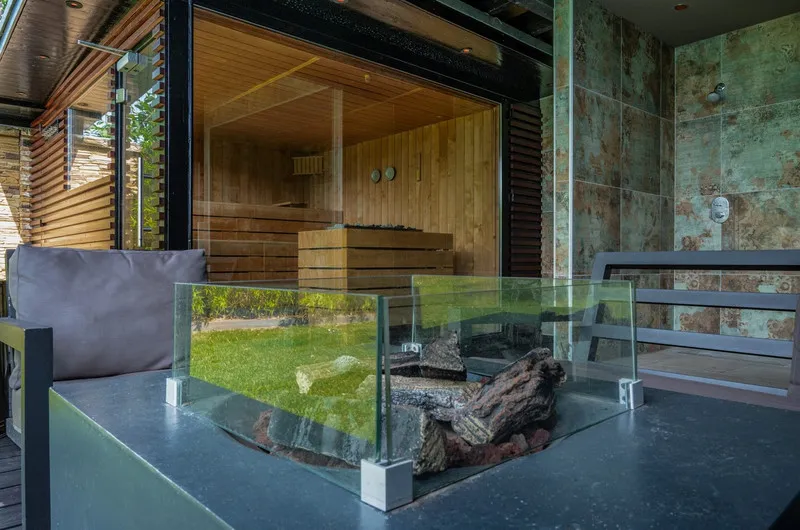
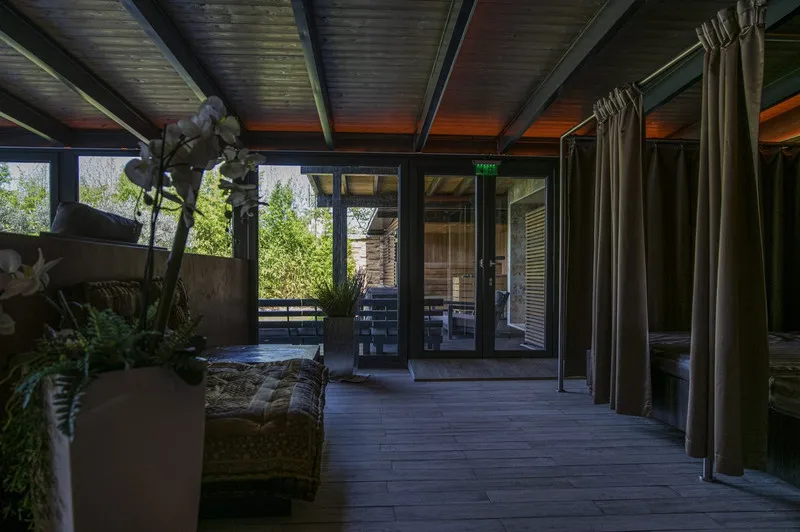
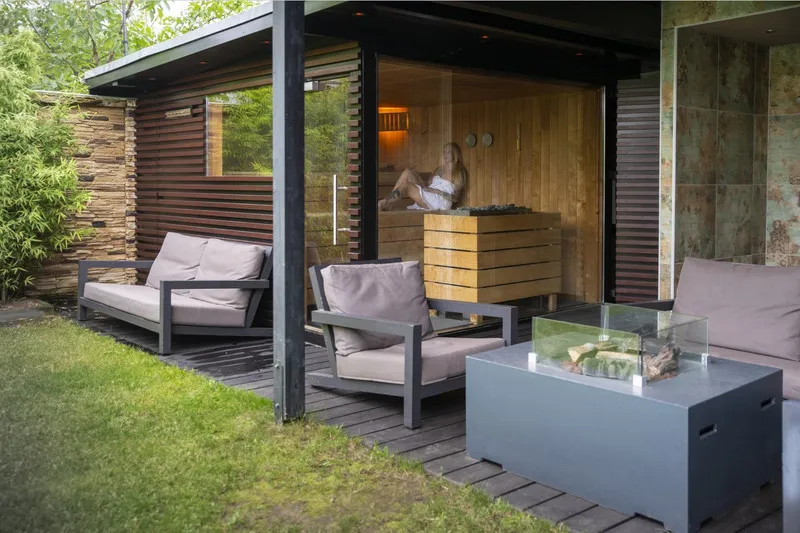
- Outdoor area (garden)
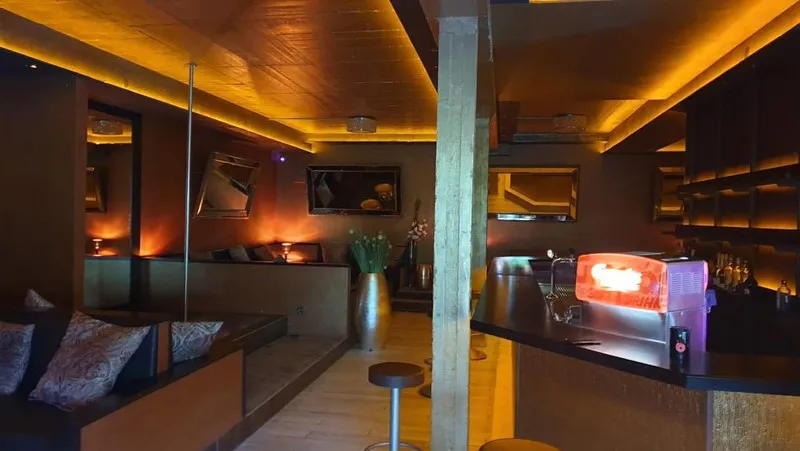
- Draught beer
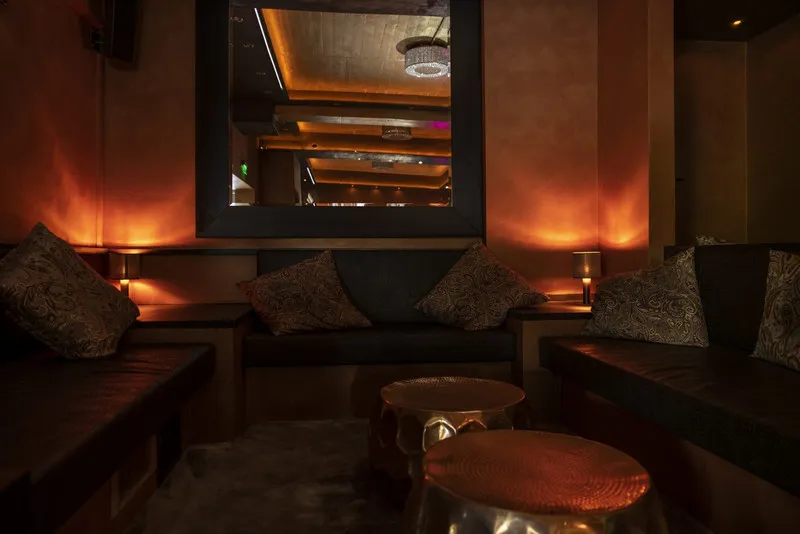
- Cocktails
- Free parking
- Professional massage
- Finnish sauna
- Slot machines
- Live sport on TV
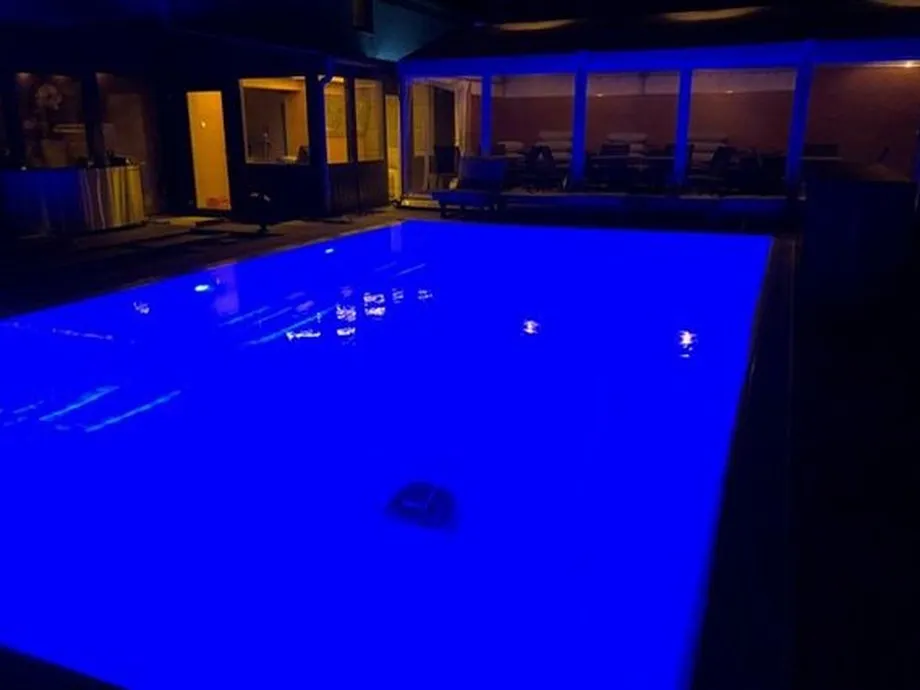
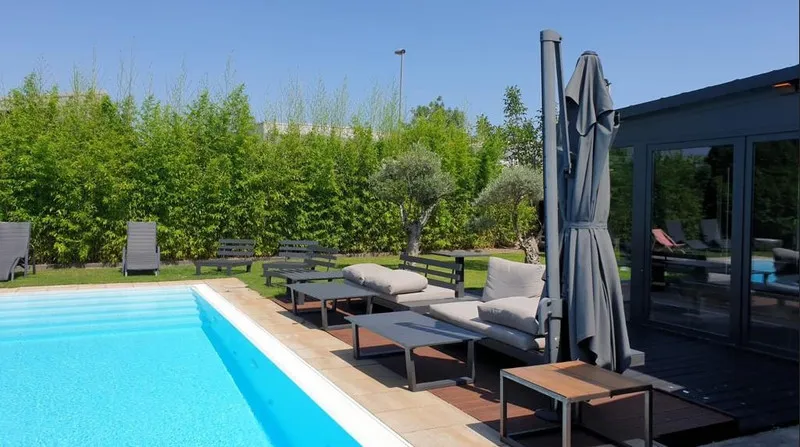
- Outdoor pool
- Hot dinner
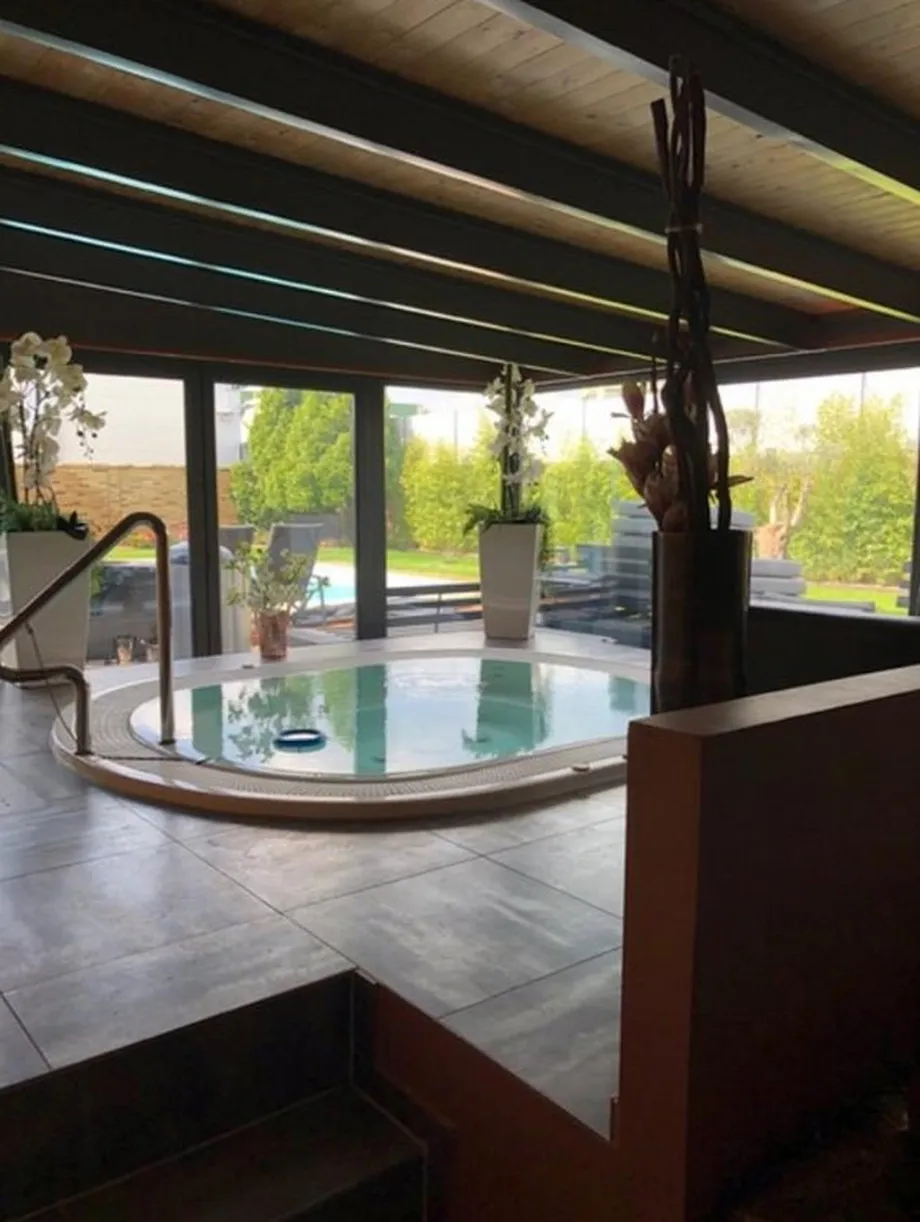
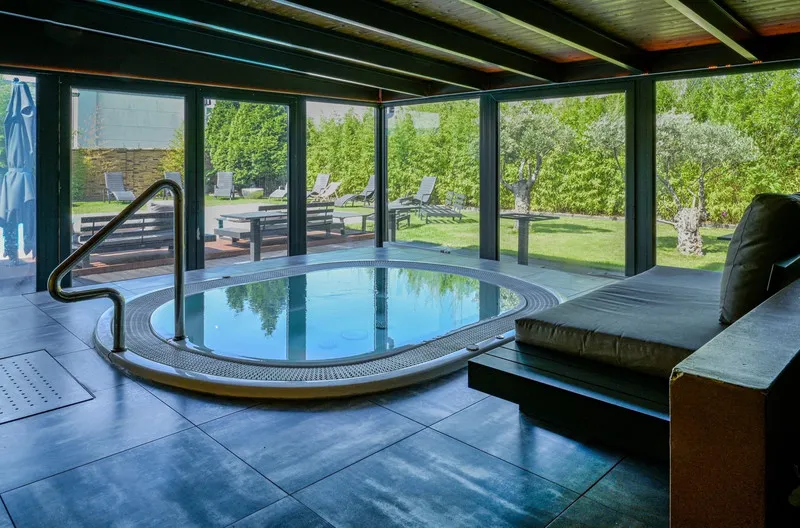
- Indoor whirlpool
No · 19
- Air conditioning
- Beer included
- Card payment / ATM
- Step-free access
- Food included
- Free Wi-Fi
- Live DJ
- Live shows
- Pick-up service
- Adult cinema
- Overnight stay possible
- Valuables lockers
- Screened parking
- SM room
- Soft drinks included
- Steam bath
- Indoor pool
- Solarium
- Outdoor whirlpool
More features
Size / area
Medium-sized club
- Indoor
- 500 m²
- Outdoor
- 600 m²
What to expect at Harem Saunaclub Dormagen (D)
Dormagen
- Name origin
- Durnomagus (Celtic, = pebble field)
- First documented mention
- 15 BC
- Population
- 64,000
- Area
- 85.5 km²
- Federal state
- Nordrhein-Westfalen
- Administrative region
- Düsseldorf
- District
- Rhein-Kreis Neuss
- Vehicle registration
- NE, GV
- River
- Rhein
The Club Harem Saunaclub Dormagen is located in Dormagen in the Gewerbepark Top-West.
If you look at the internet presence of the town of Dormagen, you'll read the following welcome message:
"Middle Ages and modernity, high-tech location and at the same time the most forested town in the Rhein-Kreis Neuss, lively villages and perhaps soon even a World Heritage Site with the remains of the Lower Germanic Limes - Dormagen has many facets. Right between Köln and Düsseldorf, the town sits on the 'Rhenish Equator'. Here Alaaf meets Helau, Alt meets Kölsch. What hardly anyone knows: almost every German citizen carries a piece of 'Made in Dormagen' with them ..."
That's quite accurate. Dormagen marks the border between the Rheinland and the Niederrhein, between the administrative districts of Köln and Düsseldorf, and also between Alaaf and Helau and Kölsch and Alt, and, just by the way, the zone boundary between the regional transport associations VRS and VRR also runs through here. So who can be surprised that a district of Dormagen is called Zons ...?
Like its right-bank counterpart Leverkusen, Dormagen gives at first glance the impression of a predominantly functional town, made as an organisational unit to keep the local commercial hustle and bustle within orderly municipal responsibilities. But that does the town an injustice, because Dormagen actually stands on historically significant ground. Nevertheless, visitors will probably get their first lasting travel impressions from the huge Chempark at the Dormagen site, which dominates the town's economic life. Like Leverkusen, Dormagen is very much shaped by the Bayer group, which expanded to left-bank Dormagen in 1916, and by its spun-off division Lanxess, which are the biggest employers at the site, even though numerous other companies, such as the chemical group Ineos, also operate in the industrial park.
Unlike Leverkusen, though, Dormagen has kept its historic name. The municipality only received town status in 1969. In today's municipal structure, the town has consisted since 1 January 1975 of the districts Dormagen, Delhoven with Knechtsteden, Delrath, Hackenbroich, Horrem, Gohr with Broich, Nievenheim with Ückerath, Rheinfeld with Piwipp, Straberg, Stürzelberg with St. Peter and Zons with Nachtigall.
The long history of the districts is too tangled to sum up in a few sentences. What's certain is that a Roman fort was already built in Dormagen between 15 and 12 BC. The Roman troops remained at the site until around 400 AD. The Dormagen town marketing office now regularly offers the "Via Colonia per pedes" guided tour, on which you can discover Roman Dormagen at places like the Römerkeller or the Historic Town Hall.
In 1288 Dormagen was the site of the Battle of Worringen. It was the warlike finale of the War of the Limburg Succession, which had already been raging for six years. The main opponents in the conflict were Siegfried von Westerburg, Archbishop of Köln, and Duke Johann I of Brabant. The outcome of the battle changed the power structure across the whole of north-western Central Europe. During the Battle of Worringen, the neighbouring Zons (castrum Zunce), already mentioned around 650 as the episcopal estate "Zuonizo," was razed. It was rebuilt in 1373 by Archbishop Friedrich III of Saarwerden as an Electoral-Cologne toll fortress and granted town rights. Zons, in its outstanding state of preservation, is regarded as a unique example of a fortified medieval town in the Rheinland. The fairy-tale plays held every summer on the open-air stage in the Zwinger of the former Schloss Friedestrom are staged fairy tales in the form of dance and singing plays, with imaginative costumes and beautiful sets, and enjoy popularity well beyond the region.
To the east of the town lies the Rhein, on whose banks you'll find the large nature reserves Rheinaue Zons-Rheinfeld and the Altrheinschlinge Zons, as well as the Zonser Grind, a nature reserve on a peninsula on the Rhein. There is also a campsite on the Zonser Grind.