P-Club Handewitt/Flensburg (D)
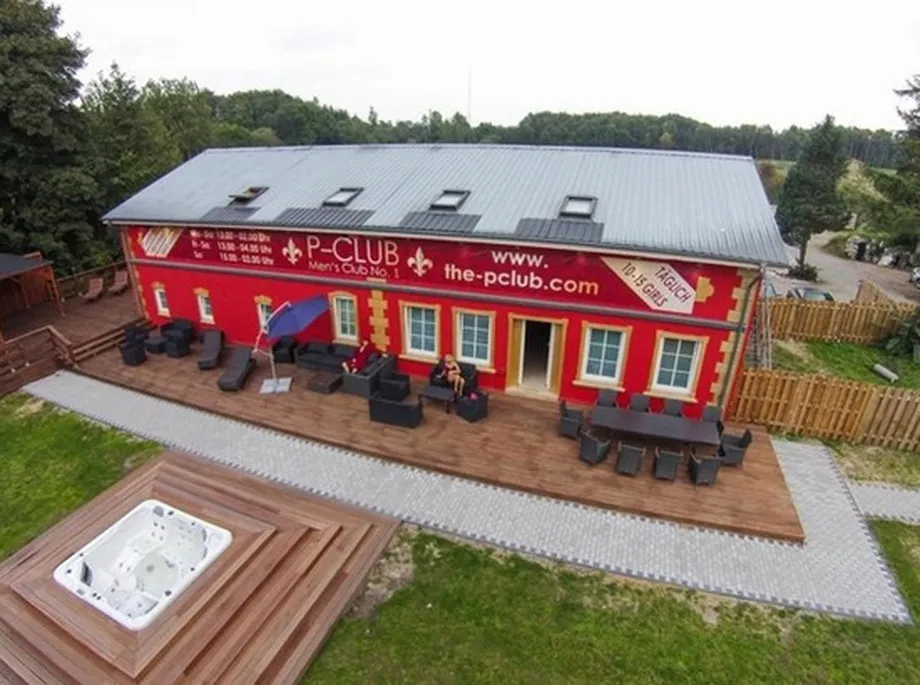
Europastraße 3, 24983 Handewitt
Last updated on
Something wrong or missing?
This club has closed for good.
Clubs nearby · P-Club Handewitt/Flensburg (D)
Prices, opening times and all features · P-Club Handewitt/Flensburg (D)
Features
Yes · 7
- Outdoor area (garden)
- Draught beer
- Free parking
- Overnight stay possible
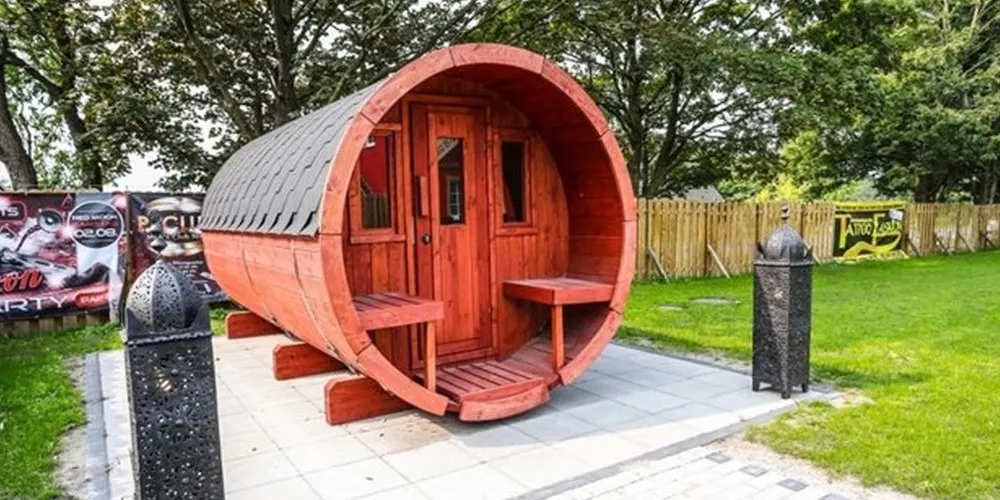
- Finnish sauna
- Screened parking
- Outdoor whirlpool
No · 23
- Air conditioning
- Beer included
- Card payment / ATM
- Cocktails
- Step-free access
- Food included
- Free Wi-Fi
- Live DJ
- Live shows
- Professional massage
- Pick-up service
- Adult cinema
- Valuables lockers
- Slot machines
- SM room
- Soft drinks included
- Live sport on TV
- Steam bath
- Indoor pool
- Outdoor pool
- Solarium
- Hot dinner
- Indoor whirlpool
More features
Size / area
Large club
- Indoor
- 700 m²
- Outdoor
- 1800 m²
What to expect at P-Club Handewitt/Flensburg (D)
Handewitt
- Name origin
- The origin of the town's name is disputed. One possibility is "Burg des Ritters Fleno" (Castle of Knight Fleno)
- First documented mention
- 1248 AD
- Population
- 90,000
- Area
- 56.74 km²
- Federal state
- Schleswig-Holstein
- Vehicle registration
- FL
- River
- No significant waterway runs through Flensburg; rather, the city forms a Baltic Sea harbour at the innermost point of the Flensburg Fjord.
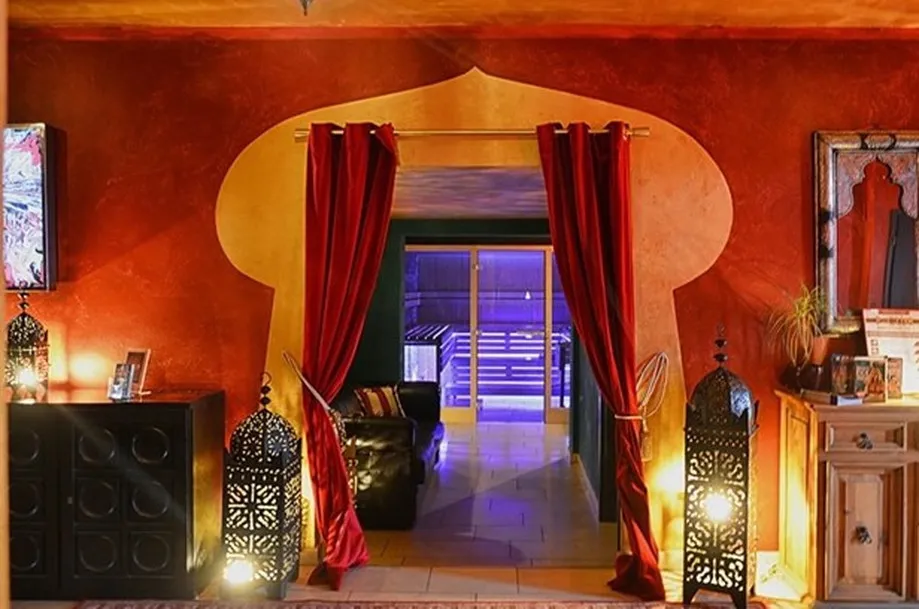
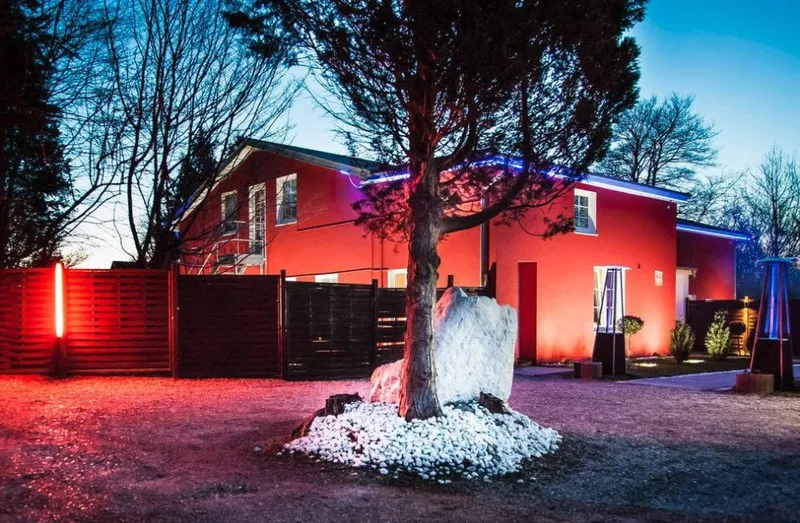
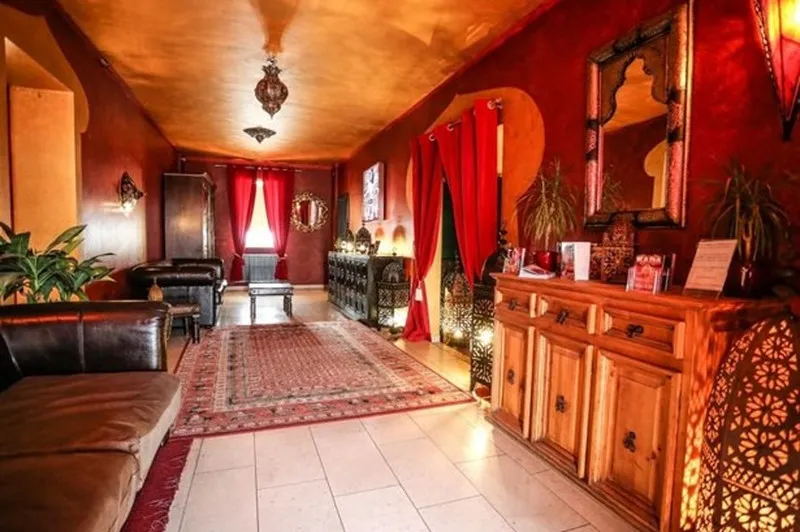
The club P-Club is located in Handewitt-Jarplund/Weding on the southern edge of Flensburg.
Every sex-obsessed German driver knows this northernmost German city on the Danish border, for two reasons: firstly, the Kraftfahrt-Bundesamt (Federal Motor Transport Authority) is based in Flensburg, and secondly, Beate Uhse founded the mail-order company Beate Uhse (be you) here in 1951 and the world's first sex shop in 1962, from which the Europe-wide erotic goods group of the same name developed.
Flensburg lies on the Baltic Sea at the start of the Flensburg Fjord and has a great deal to offer in terms of sights. The town's beginnings rest on the founding myth of the knight Fleno; the first churches on the town's territory are documented as far back as the 12th century. At that time the entire area belonged to the Kingdom of Denmark. After the decline of the Hanseatic League in the 16th century, Flensburg was considered one of the most important trading towns in the Scandinavian region, and in the 18th century it became a significant hub for the rum trade. After the German-Danish War (1864), the city came under Prussian rule; in 1920, following a referendum, South Schleswig together with Flensburg became part of Germany, while the northern part of Schleswig voted for Denmark. Today Flensburg is home to a Danish minority population; Danish is taught in general education schools.
A significant tourism factor for the city is the Historic Harbour with the Fishing Museum, the Maritime Museum and the Rum Museum. The old town, with its characteristic waterside location, is well preserved and offers numerous churches as sights, along with the Franciscan monastery, the Nordertor dating from the 14th century, the city's landmark, the Nordermarkt, the Südermarkt and the Rote Straße, the Flensborghus, the Gnomenkeller, the Schiffsbrücke, the Westindienspeicher, the Margarethenhof, the Burghof, and the Oluf-Samson-Gang, the city's historic red-light district.
Even within Flensburg's town boundaries there are numerous protected landscape areas, parks, green spaces and beaches. In the city centre you'll find a wide variety of theatres, cinemas, cafés and pubs, and the city is a well-known venue for festivals, harbour festivals and regattas. Flensburg sees itself especially as a city of cross-border trade and tourism, but numerous service and industrial companies are also based here. As a naval base, Flensburg was also one of Germany's most important garrison towns right up until the 1990s.
Among Flensburg's famous sons and daughters are Christian V of Denmark and Norway, Hans Christiansen, Emmy Hennings, Hugo Eckener, Gerty Molzen, Hans Hansen, Jutta Lampe, Jürgen Harksen, Dieter Thomas Heck, Ernst Nicol, Ulrich Beier, Martin Wind, Margrit Herbst, and Bärbel Höhn.