Chateau Northeim (D)
Robert-Bosch-Straße 21, 37154 Northeim
Ultimo aggiornamento il
Qualcosa non va o manca?
Questo club ha chiuso definitivamente.
Club vicino a Chateau Northeim (D)
Caratteristiche
Sì · 12
- Outdoor area (garden)
- Draught beer
- Step-free access
- Free parking
- Professional massage
- Finnish sauna
- Screened parking
- Slot machines
- Soft drinks included
- Steam bath
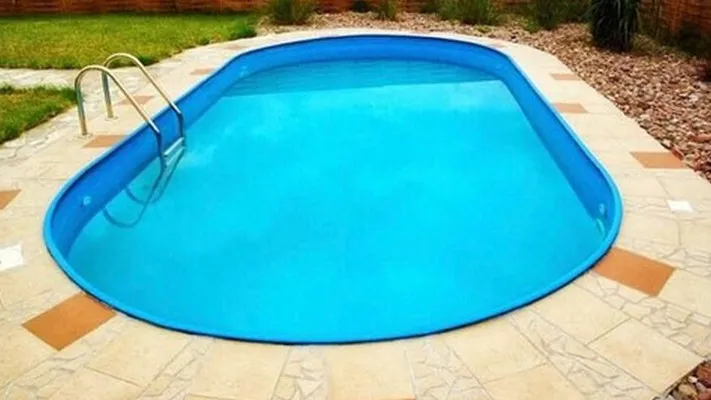
- Outdoor pool
- Indoor whirlpool
No · 18
- Air conditioning
- Beer included
- Card payment / ATM
- Cocktails
- Food included
- Free Wi-Fi
- Live DJ
- Live shows
- Pick-up service
- Adult cinema
- Overnight stay possible
- Valuables lockers
- SM room
- Live sport on TV
- Indoor pool
- Solarium
- Hot dinner
- Outdoor whirlpool
Altre caratteristiche
Dimensioni / superficie
Club di medie dimensioni
- Interno
- 600 m²
- Esterno
- 500 m²
Cosa ti aspetta da Chateau Northeim (D)
Northeim
- Name origin
- Northeim (Old Saxon, = settlement situated to the north)
- First documented mention
- 8th century AD
- Population
- 29,000
- Area
- 145.85 km²
- Federal state
- Niedersachsen
- District
- Northeim
- Vehicle registration
- NOM, EIN, GAN
- River
- Rhume-->Leine
The Club Chateau Northeim is located in Northeim in the Gewerbegebiet Süd.
Northeim is an old Hanseatic town and lies about twenty kilometres north of Göttingen, embedded in the scenically extremely charming Weser-Leine-Bergland between Solling and Harz. Northwest of the town lies the extensive local recreation area of the Northeimer Seenplatte, which serves as a migratory stopover area for numerous species of water birds between Northern Europe and Western Asia. The area was first mentioned by name in the 8th century AD in a Frankish deed of transfer addressed to the Kloster Fulda. In the year 1002 the settlement became the seat of the Grafen von Northeim. Graf Otto von Northeim married Richenza von Werl around 1050 and thereby considerably increased his holdings. He became one of the wealthiest and most respected princes of his time and the initiator of the Klosterkomplex St. Blasien, completed after his death, which was to become an important nucleus of Northeim. Kaiserin Agnes granted him the Herzogtum Bayern in 1061. Otto's granddaughter Richenza von Northeim married Lothar von Supplingenburg in 1125 and thereby became Deutsche Kaiserin. Her grandson later became known as Heinrich der Löwe.
Northeim was granted town rights as early as 1252; in the 14th century the town, after fierce struggles, also acquired the market and minting rights from the Kloster and the Landesherr, and in 1384 it finally joined the Hanse. This paved the way for an economic golden age, which only came to an end during the Thirty Years' War with the demolition of the fortifications and the merciless plundering of the town. It was not until the railway connection in 1854 that Northeim began to prosper again, as a railway junction, seat of industrial enterprises and administrative town.
Not quite as spectacular, but nevertheless similar to Hannoversch-Münden, about fifty kilometres further southwest, with which the town already entered into a mutual protection alliance in 1246, Northeim captivates with a well-preserved old town characterised by half-timbering. This also includes the surviving parts of the town wall, which has existed since 1252. The most important place of worship is the evangelisch-lutherische St.-Sixti-Kirche from the 15th century, in which the reformer Anton Corvinus drew up the Northeimer Kirchenordnung in 1539. In Northeim, which has been thoroughly Protestant ever since, there is, with the St.-Marien-Kirche (1886), a single Catholic church in the town. Other noteworthy buildings in Northeim include the Imbshäuser Schloss with its Schlossgarten and the Wieterturm.
In terms of transport, Northeim is very well connected via the BAB 7, its own train station and the Flugplatz Northeim.
Among the town's well-known sons and daughters are Graf Otto von Northeim, Heinrich der Fette and Richenza von Northeim. The humorist Loriot (Vicco von Bülow) attended school in Northeim and there earned his (full) Abitur. The historical figures Anton Corvinus and Gerhard von Scharnhorst were active in Northeim.