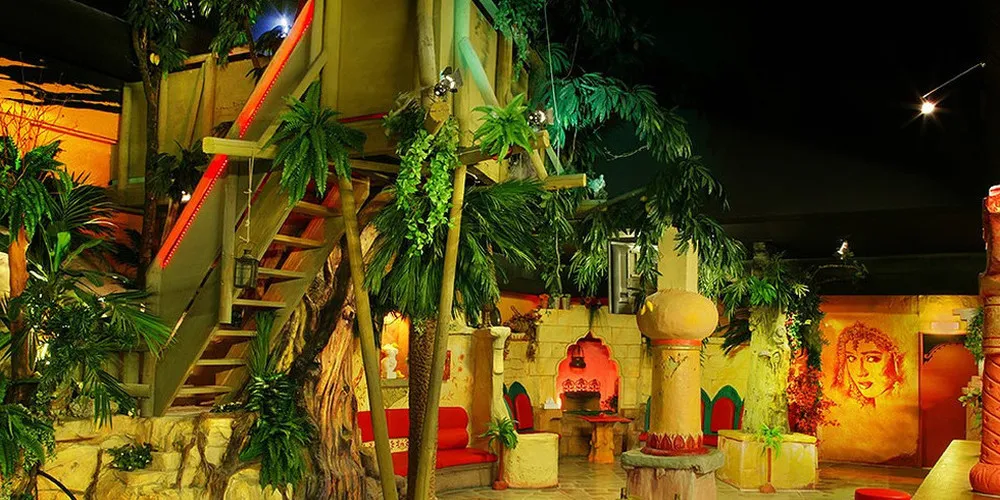
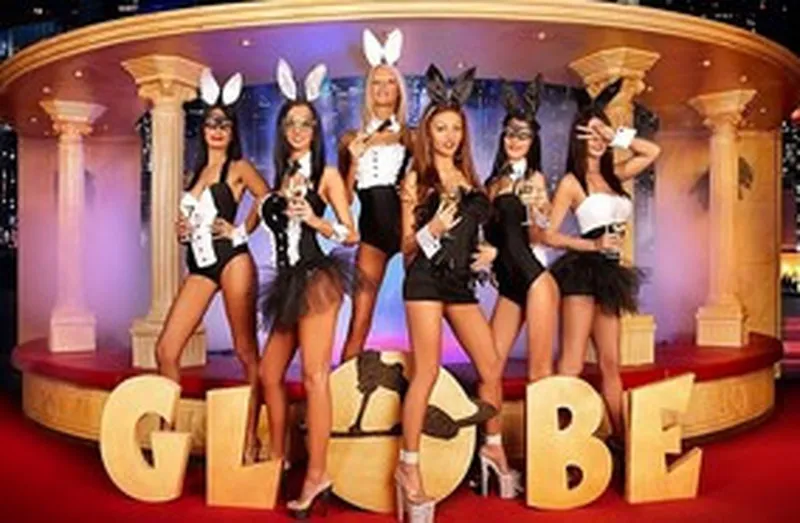
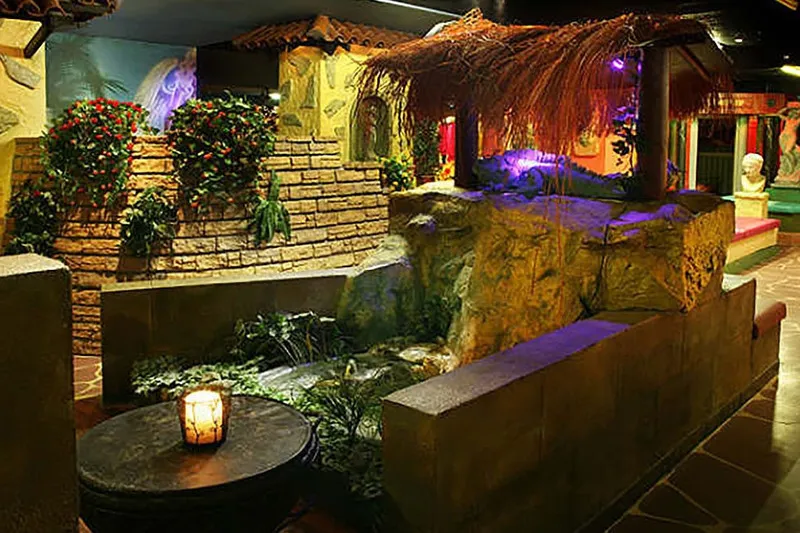
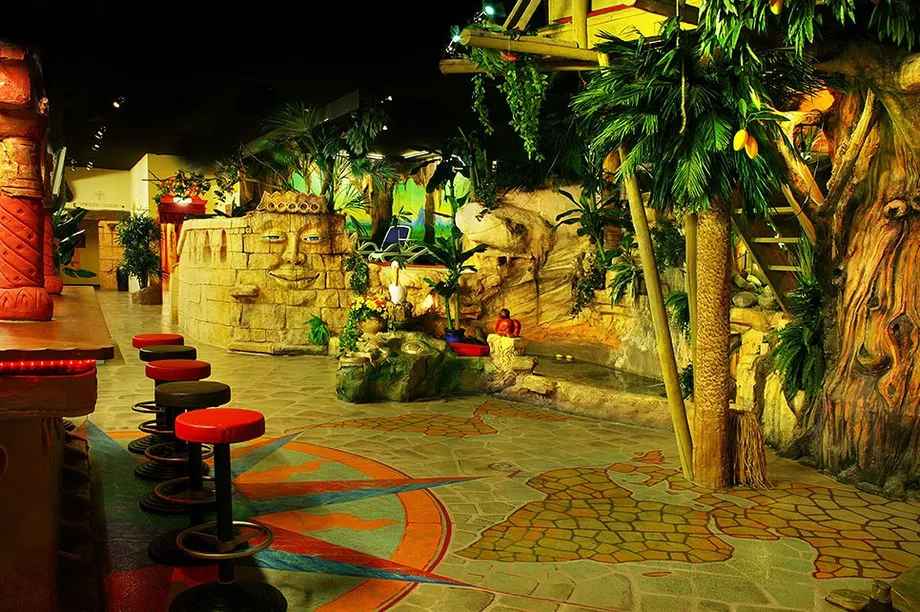
Globe Schwerzenbach/Zürich (CH)
Ifangstraße 2, 8603 Schwerzenbach
Ultimo aggiornamento il
Qualcosa non va o manca?
Caratteristiche
Sì · 16
- Air conditioning
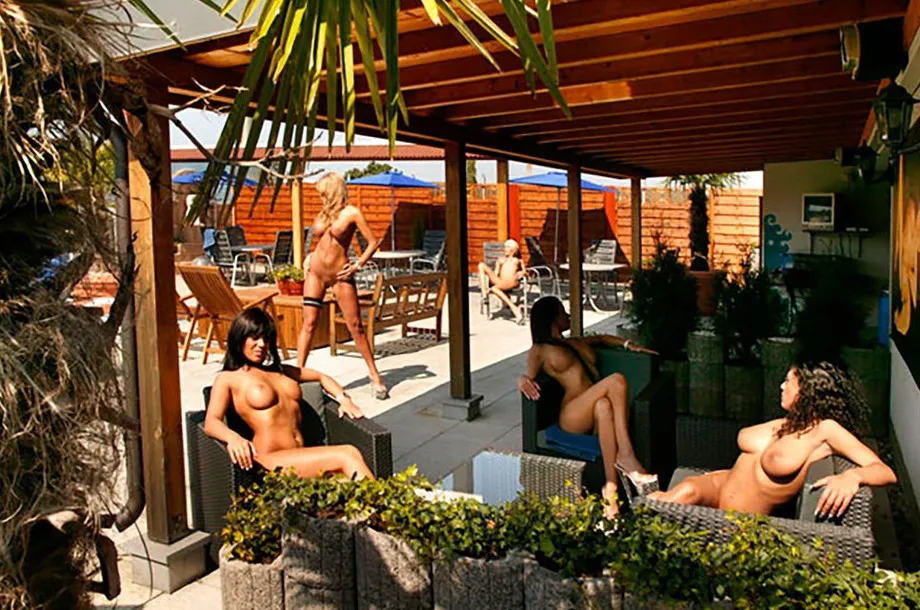
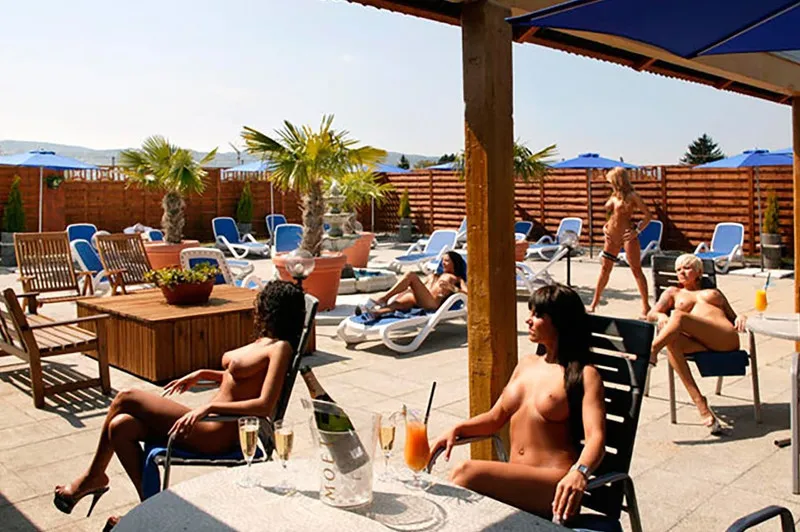
- Outdoor area (garden)
- Draught beer
- Card payment / ATM
- Cocktails
- Step-free access
- Food included
- Free parking
- Live DJ
- Live shows
- Adult cinema
- Valuables lockers
- Finnish sauna
- Soft drinks included
- Hot dinner
- Indoor whirlpool
No · 14
- Beer included
- Free Wi-Fi
- Professional massage
- Pick-up service
- Overnight stay possible
- Screened parking
- Slot machines
- SM room
- Live sport on TV
- Steam bath
- Indoor pool
- Outdoor pool
- Solarium
- Outdoor whirlpool
Altre caratteristiche
Dimensioni / superficie
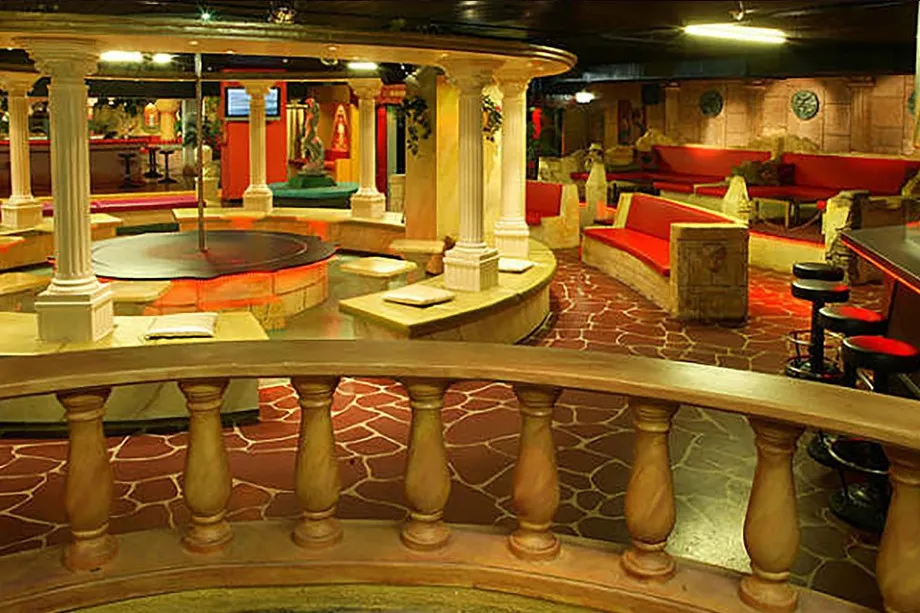
Club molto grande
- Interno
- 2600 m²
- Esterno
- 400 m²
Cosa ti aspetta da Globe Schwerzenbach/Zürich (CH)
Schwerzenbach
Zürich
Main town of the Canton of Zürich
Name origin: Tūrīcon -> Turicum (Celtic --> Latin, = Turos, name designation)
First documented mention: already known in 15 BC as a Roman customs station, 610 AD castellum Turegum; 7th century AD Ziurichi
Population: 422,000
Area: 87.93 km²
Canton: Zürich
District: Zürich
District (Kreis): /
Vehicle registration: ZH
River: Sihl-->Limmat; Zürichsee-->Limmat
The Club Globe is located in Schwerzenbach in the district of Uster near Zürich.
Zürich lies in the geographical heart of Switzerland at 408 m above sea level, is by far its largest city and the economic centre in the land of the Confederates. As a leading metropolis, the city holds an important position as a continental transport hub and international financial centre, home to many major banks and the Swiss Stock Exchange. Zürich Hauptbahnhof is the largest terminus station in Europe and one of the busiest railway stations in the world; Klothen Airport ranks among the top ten airports in the world. Zürich's level of purchasing power is outstanding by global standards.
In the 13th century, Zürich attained the status of a Free and Imperial City within the Holy Roman Empire. In 1351 the city joined the Swiss Confederation and, together with Bern, served as a lead canton (Vorort) of this confederacy. In 1519 Zürich became the epicentre of the Reformation under the spiritual leadership of Huldrych Zwingli, who a little later published the Zürich Bible here. With the downfall of the free Republic of the City of Zürich following the French invasion of Switzerland in 1798, the city merged together with the former subject territories into the new Canton of Zürich and quickly developed into the economic centre of Switzerland.
So why, despite all its economic dominance and its significance in world history—particularly with regard to the Reformation—is Zürich not the capital in the land of the Confederates? The answer will surprise many non-Swiss. Switzerland, in fact, has no capital. In the Helvetic Republic (1798–1803), Switzerland's daughter republic of France during the Napoleonic era, Aarau, Lucerne and Bern were initially the capital. Since then, Switzerland has had no capital at all. From 1803 to 1848, the cities of Zürich, Bern, Lucerne, Fribourg, Solothurn and Basel took turns as so-called "Vororte der Schweiz" (lead towns of Switzerland). The annual Tagsatzung (federal diet) took place in these lead towns. In 1848 it was agreed to abolish the rotation principle. Zürich, Bern and Lucerne ran as candidates for capital. On 28 November 1848, the National Council and the Council of States decided on Bern in the first round of voting. Yet, due to a good old Swiss compromise, Bern was not officially made the capital, but rather the Bundesstadt (federal city). So Bern is the federal city and is capital not de jure, but only de facto.
The city on Lake Zürich with its Alpine backdrop, with its well-preserved medieval old town and its diverse cultural offerings and nightlife, is considered a city of outstanding quality of life. With its dozens of brothels, Zürich is also one of the most "fucked" metropolises in the whole world, where those with a special interest are guaranteed to be able to live out their inclinations in many different ways. As everywhere in Switzerland, this sector too stands out above all for the high quality of its services. So you should definitely bring a bit of money along when you visit.
Among Zürich's well-known sons and daughters are, for instance, Johann Heinrich Pestalozzi, Gottfried Keller, Johanna Spyri, Conrad Ferdinand Meyer, Max Frisch, Hermann Rorschach, Felix Bloch, Mario Adorf, Lisa Fitz, Bruno Ganz, Martin Suter and Denise Biellmann.