
FKK Amore Freinberg (A)/Passau
Haibach 31, 4785 Haibach-Oberhaibach bei Freinberg
Last updated on
Something wrong or missing?
Prices, opening times and all features · FKK Amore Freinberg (A)/Passau
Features
Yes · 12
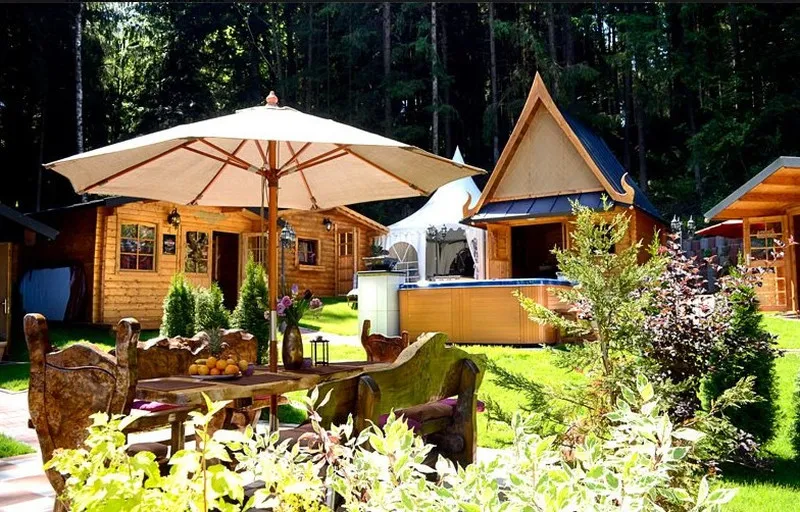
- Outdoor area (garden)
- Food included
- Free parking
- Free Wi-Fi
- Overnight stay possible
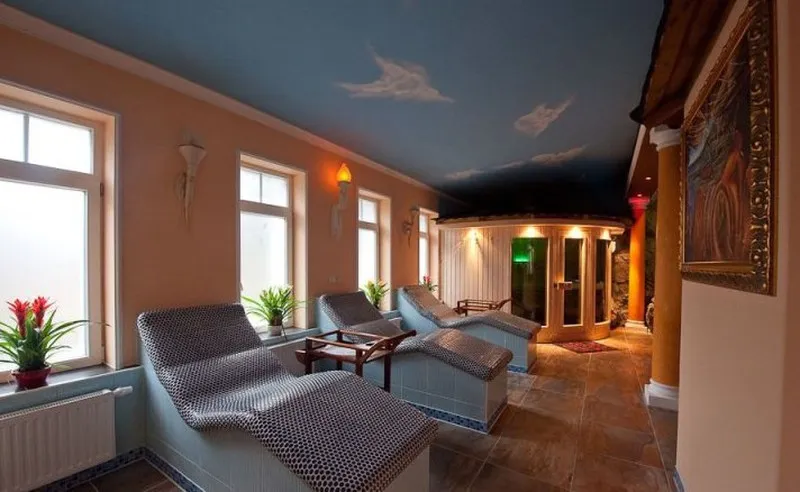
- Finnish sauna
- SM room
- Soft drinks included
- Steam bath
- Outdoor pool
- Solarium
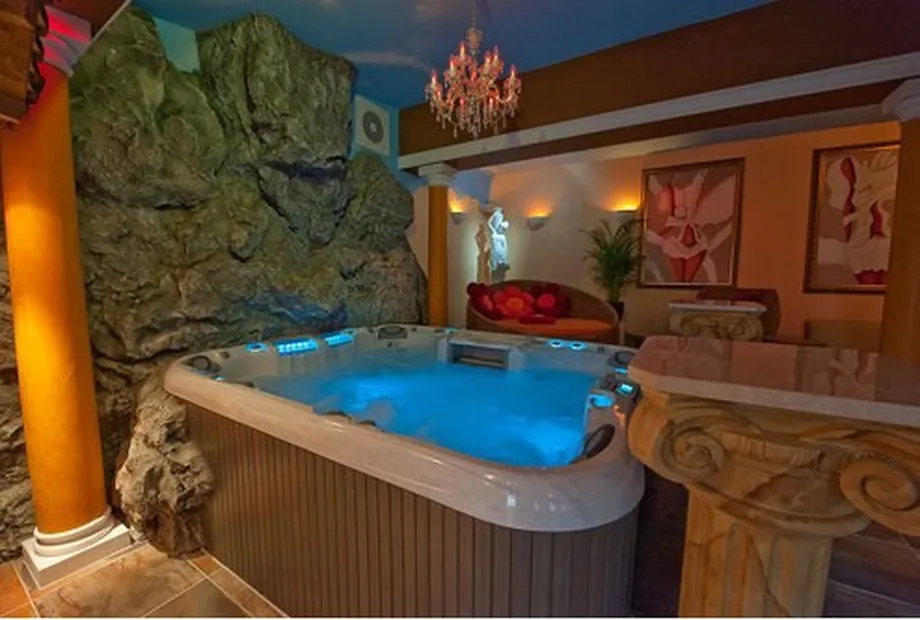
- Indoor whirlpool
No · 18
- Air conditioning
- Beer included
- Draught beer
- Card payment / ATM
- Cocktails
- Step-free access
- Live DJ
- Live shows
- Professional massage
- Pick-up service
- Adult cinema
- Valuables lockers
- Screened parking
- Slot machines
- Live sport on TV
- Indoor pool
- Hot dinner
- Outdoor whirlpool
More features
Size / area
Medium-sized club
- Indoor
- 1000 m²
- Outdoor
- 500 m²
What to expect at FKK Amore Freinberg (A)/Passau
Haibach-Oberhaibach bei Freinberg
- Name origin
- Castra Batava (Lat., = fort with legionaries of the Germanic tribe of the Batavi) --> Batavis --> Bazzawe
- First documented mention
- 2nd century AD
- Population
- 53,000
- Area
- 69.57 km²
- Federal state
- Bavaria
- Administrative region
- Niederbayern
- District
- /
- Vehicle registration
- PA
- River
- Inn-->Danube, Ilz-->Danube
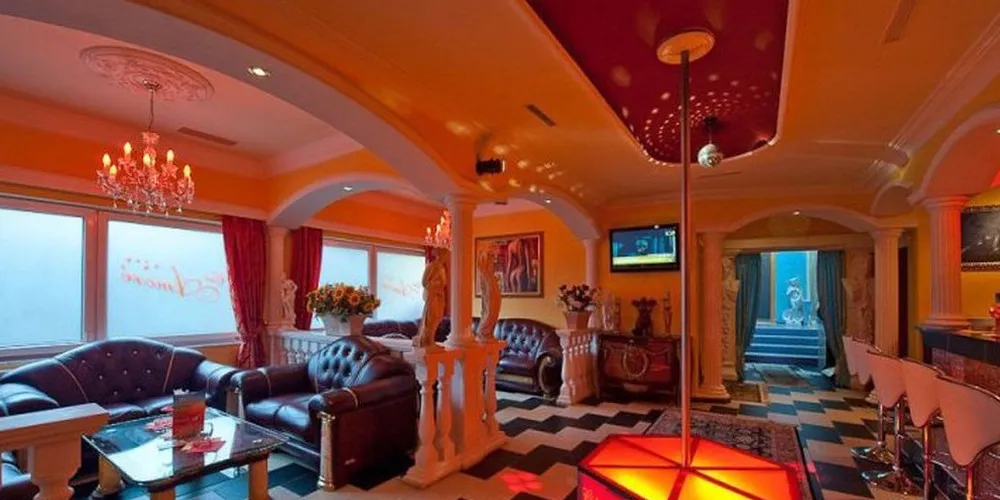
The club FKK Amore near Passau is located in Haibach-Oberhaibach near Freinberg in Austria.
Passau is a city in Bavaria on the border with Austria, in the natural region of the Oberpfälzer/Bayerischer Wald, at the confluence of the rivers Danube, Inn and Ilz, which is why the city is also called the "Dreiflüssestadt" (city of three rivers).
The first Celtic settlements already existed in the so-called La Tène period on the old town hill. The Celtic settlement of Boiodurum located there was destroyed by the Romans in the 1st century AD. In its place, the Romans built two camps on the opposite side of the Inn. On the peninsula between the Danube and the Inn itself, the fort of Batavis was built. The name comes from the Germanic mercenaries of the Batavi tribe stationed there. From Batavis the name gradually developed into today's Passau. In the year 476 the Romans left the region.
The Bajuwaren settled here built a ducal castle on the peninsula. In the year 739 Passau became a bishop's seat, whose center from then on was formed by the cathedral together with the episcopal landholdings. At this time the Niedernburg monastery was also founded, which had extensive lands in the catchment area of the Ilz. In 1217 Passau became a prince-bishopric. The Niedernburg monastery, which was given to the bishop in 1161 by Friedrich I Barbarossa, became the seat of the prince-bishopric. Passau was granted city rights in 1225. The city developed considerable prosperity and repeatedly aroused the envy of its neighbours Bavaria and Austria in the period that followed.
Despite the strong Catholic tradition, the Reformation was also able to take hold in Passau. Passau is the birthplace of the Ausbund, the oldest hymnbook of Protestantism, whose core collection was created between 1535 and 1540 in the dungeon of Passau Castle - the authors were imprisoned Anabaptists, who suffered martyrdom following their imprisonment. In 1552 the Treaty of Passau was concluded in the city, which paved the way for the toleration of the confessions in the Peace of Augsburg.
In 1662 a fire reduced the entire city to rubble and ashes. Italian master builders then rebuilt the city and gave it its present-day, southern-looking Baroque appearance - Passau is often referred to as the Venice of Bavaria. The most important sight and landmark of Passau is the imposing building of St. Stephen's Cathedral on the Domplatz, surrounded by the canons' residences, home to the largest cathedral organ in the world; other important buildings are the Veste Oberhaus, the pilgrimage church Mariahilf, the Lamberg-Palais, where the Treaty of Passau was concluded in 1552, the Alte Residenz, which today houses the regional court, Schloss Freudenhain, the former prince-bishop's opera house and today's municipal theatre, and of course the Passauer Rathaus complex.
The sights and shopping opportunities in the city as well as the scenic charms of the Passau region attract numerous tourists from Germany and abroad and are a major economic factor. Given its three-river status, Passau is also a popular destination in the river cruise industry and for cycling tourists on the Inn and Danube cycle paths. Passau still has three breweries; the most important employer in the city are the three branches of ZF Friedrichshafen AG in Passau-Grubweg, Passau-Patriching and Thyrnau.
Passau has been a university town since 1978.
Freinberg:
Freinberg is a municipality in Upper Austria in the district of Schärding in the Innviertel. It is located at 455 m above sea level, about 7 km east of Passau. Freinberg has belonged to the Duchy of Bavaria since ancient times and came to Austria in 1779, after the Peace of Teschen, together with the Innviertel (then called 'Innbaiern'). During the Napoleonic Wars it briefly became Bavarian again, but since 1814 it has finally belonged to Upper Austria.
Freinberg consists of the nine villages of Anzberg, Freinberg, Haibach, Hanzing, Hinding, Kritzing, Lehen, Neudling and Saming. They are easily accessible by car via country roads, especially from Passau.