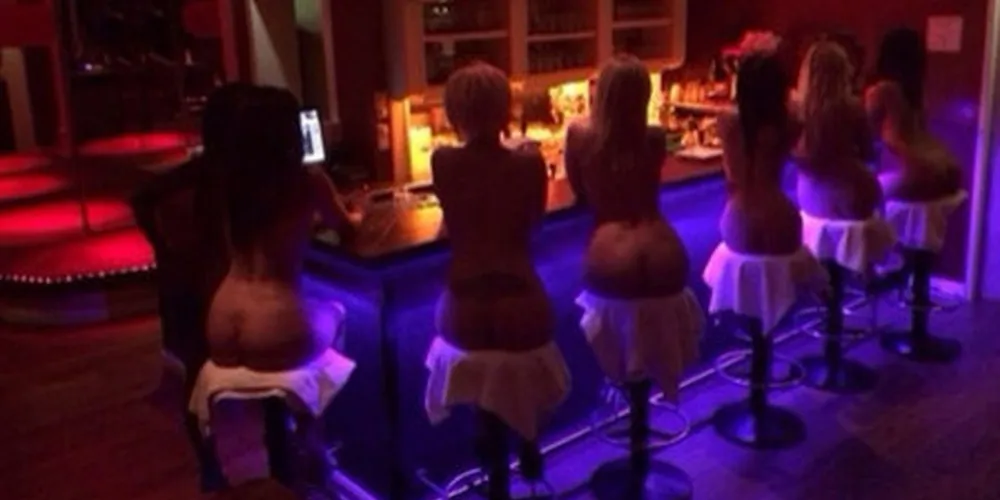
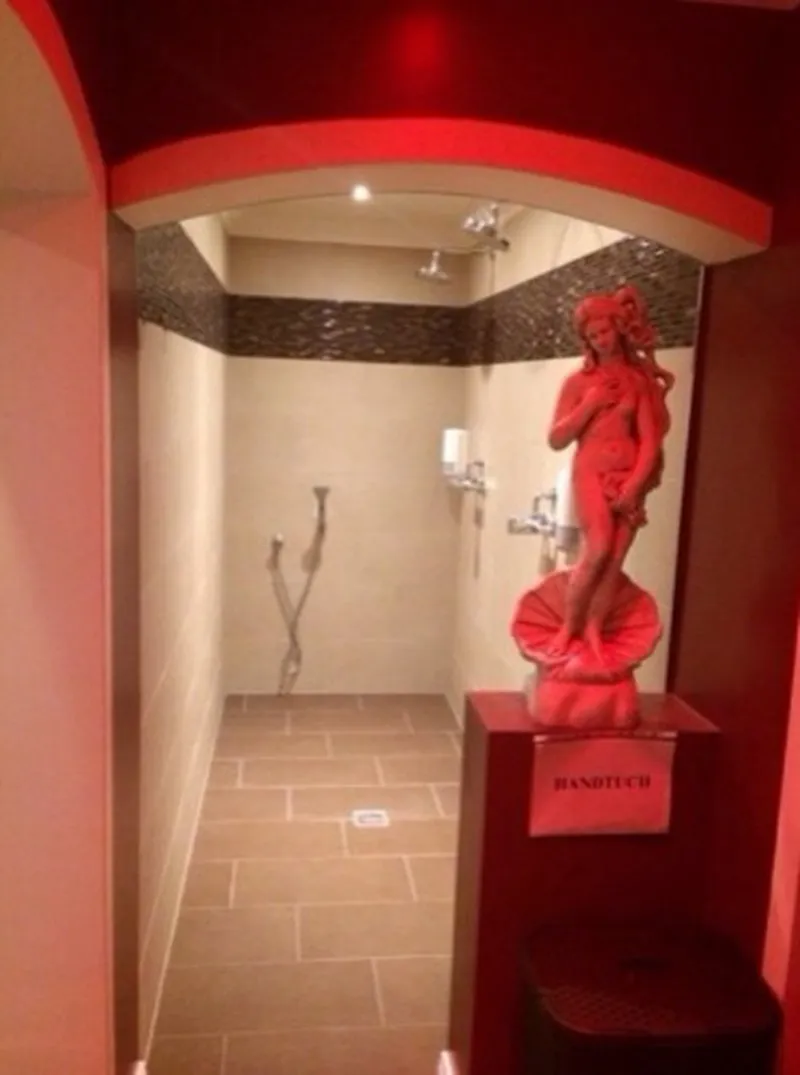
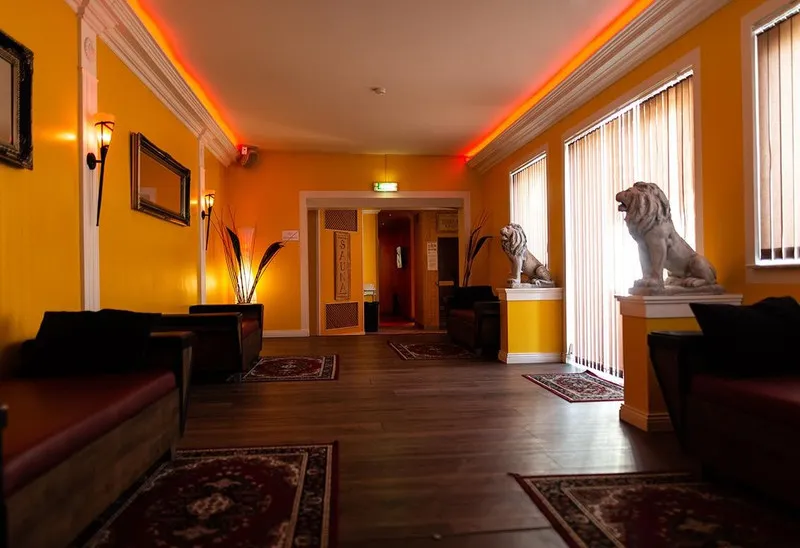
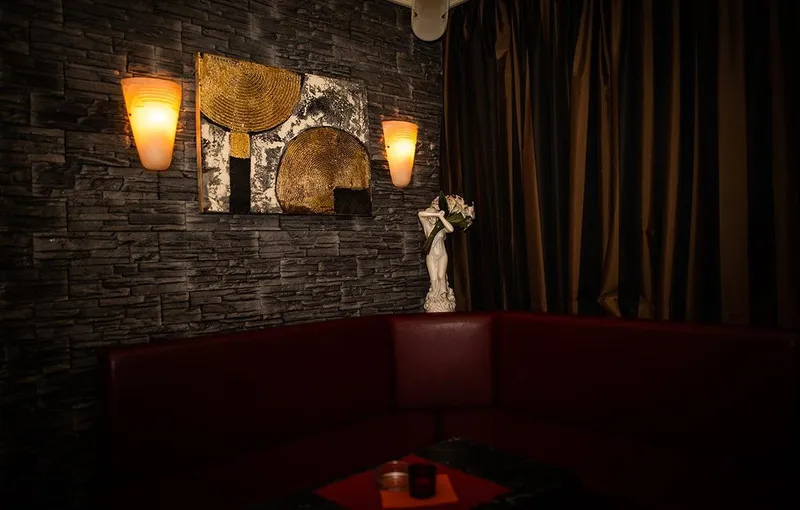
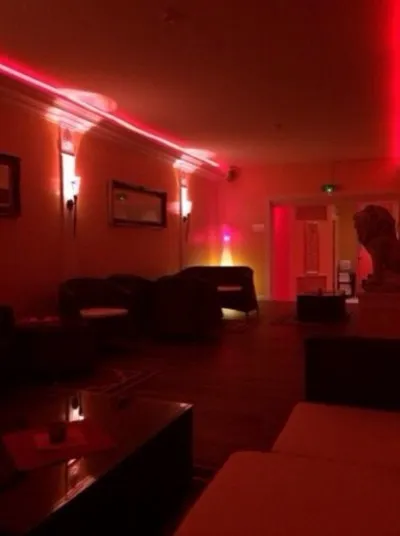
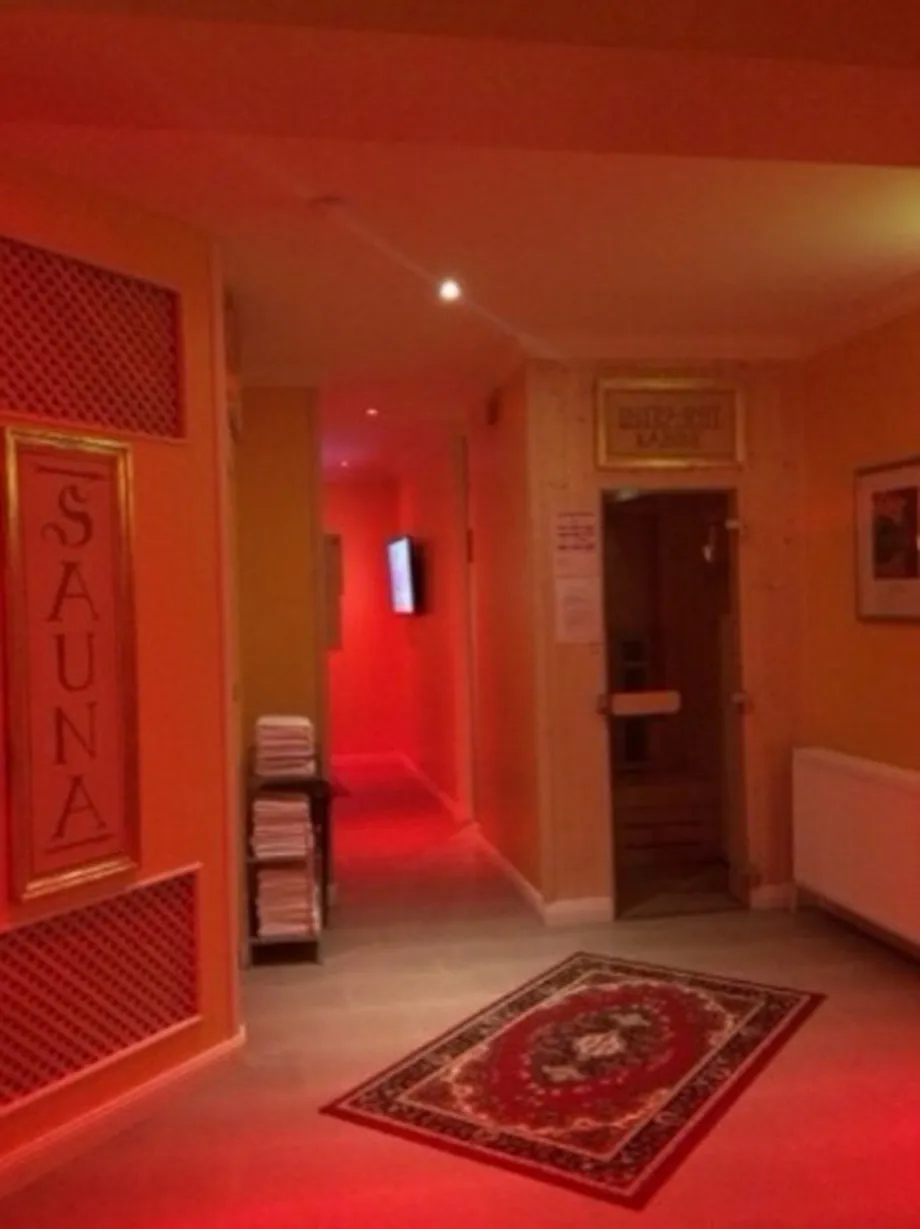
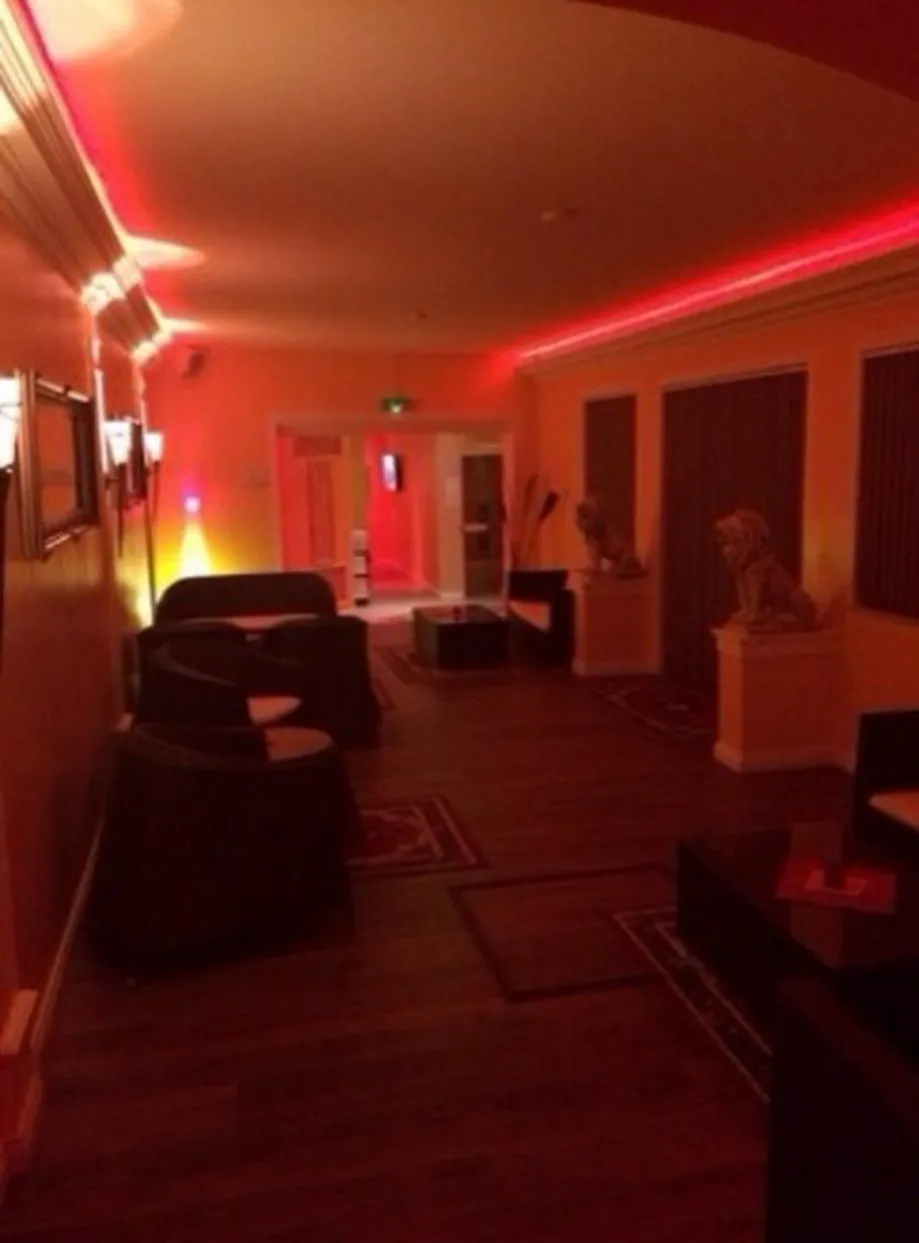
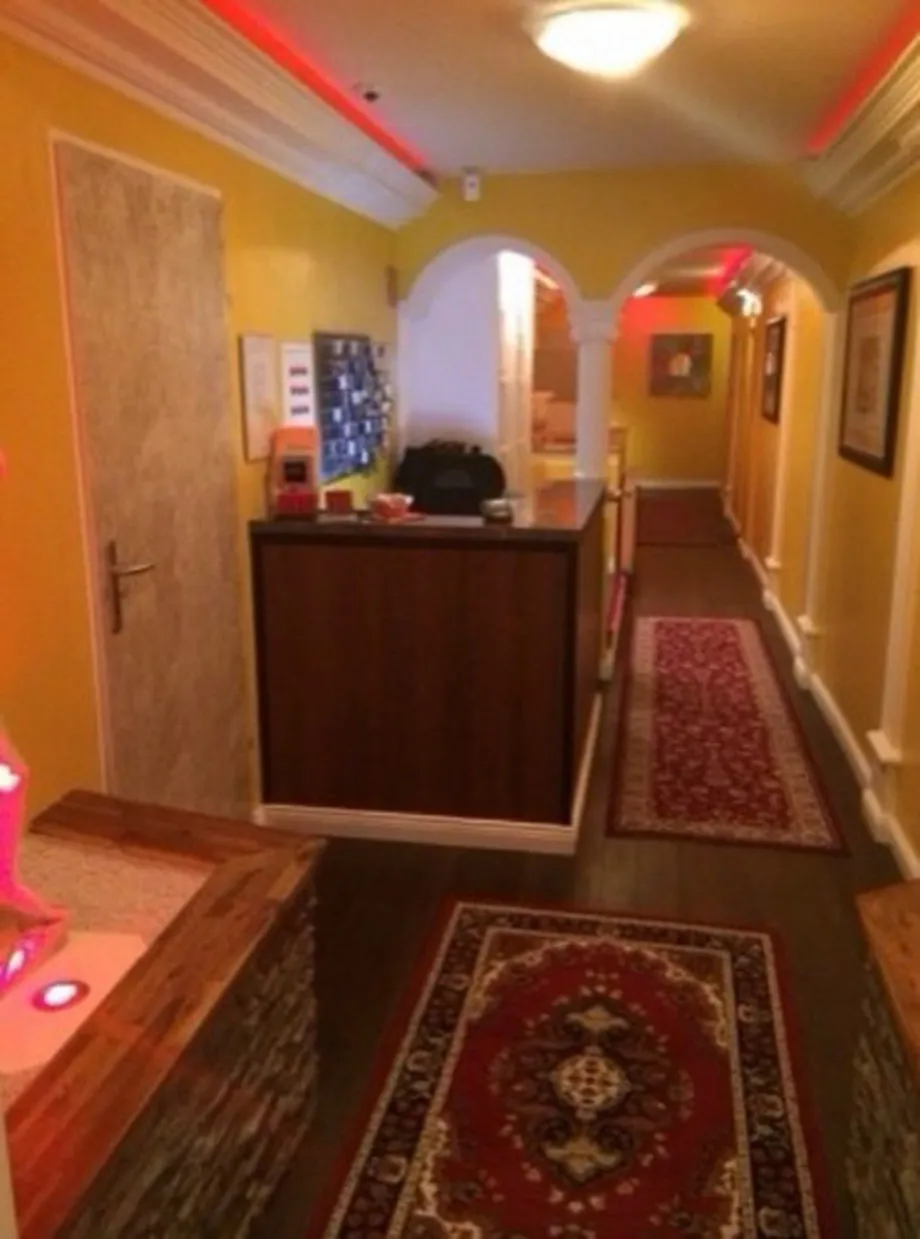
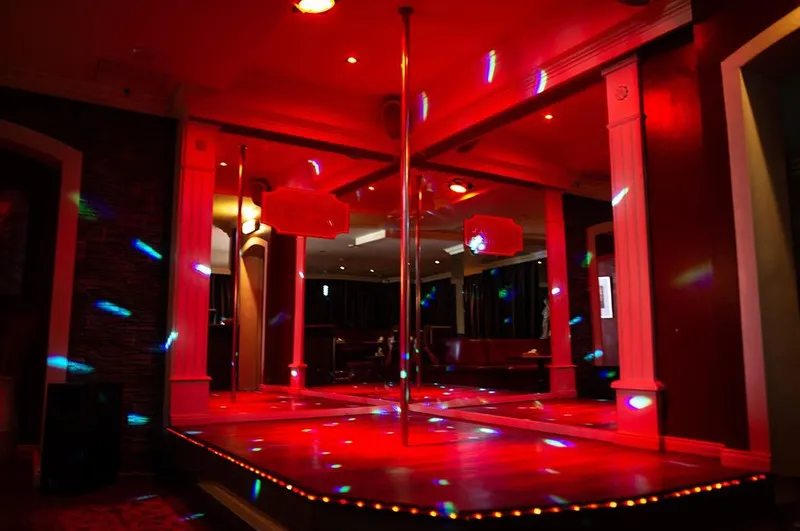
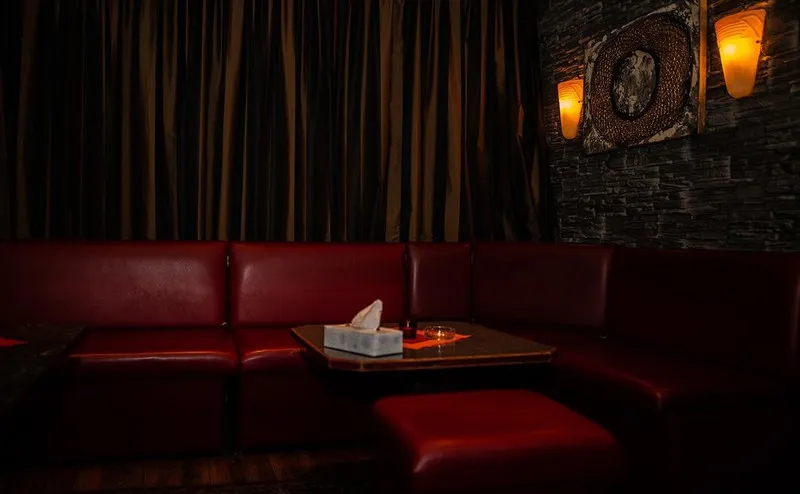
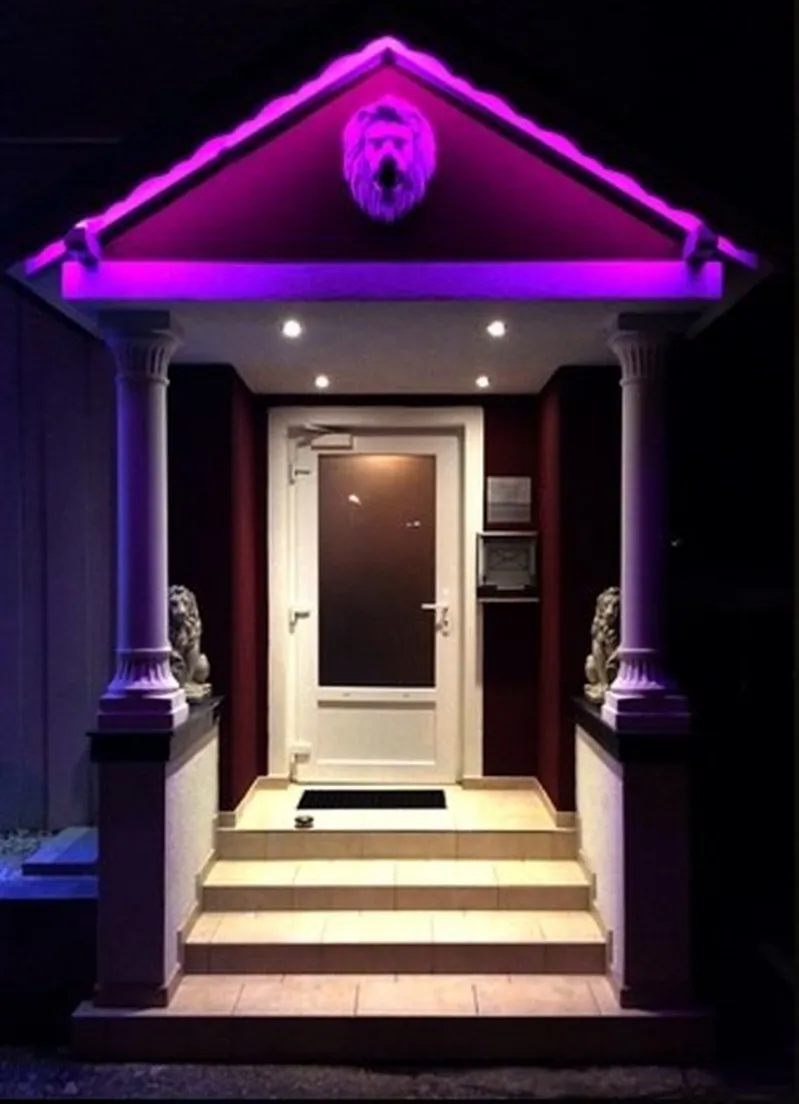
FKK Römerbad Casa Ovilava Wels (A)
Linzer Straße 222, 4600 Wels
Last updated on
Something wrong or missing?
This club has closed for good.
Clubs nearby · FKK Römerbad Casa Ovilava Wels (A)
Prices, opening times and all features · FKK Römerbad Casa Ovilava Wels (A)
Features
Yes · 11
- Outdoor area (garden)
- Beer included
- Draught beer
- Card payment / ATM
- Free parking
- Adult cinema
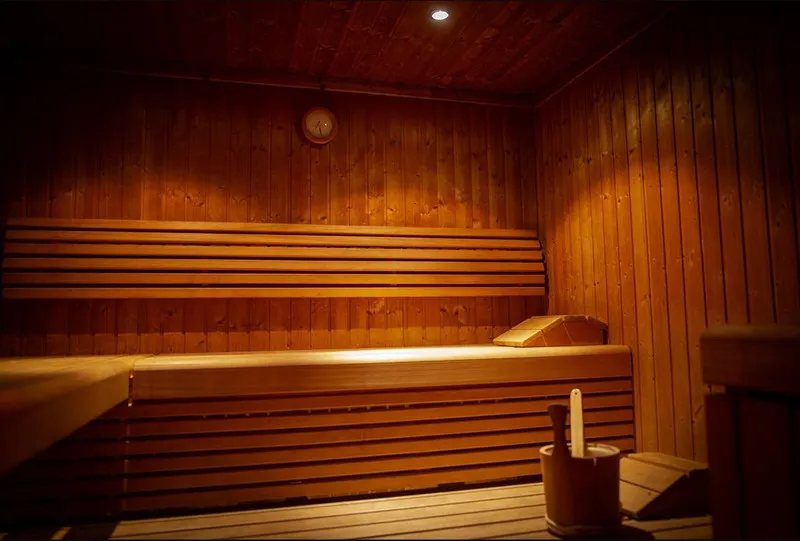
- Finnish sauna
- Screened parking
- Soft drinks included
- Solarium
- Indoor whirlpool
No · 19
- Air conditioning
- Cocktails
- Step-free access
- Food included
- Free Wi-Fi
- Live DJ
- Live shows
- Professional massage
- Pick-up service
- Overnight stay possible
- Valuables lockers
- Slot machines
- SM room
- Live sport on TV
- Steam bath
- Indoor pool
- Outdoor pool
- Hot dinner
- Outdoor whirlpool
Size / area
Small club
- Indoor
- 500 m²
- Outdoor
- 200 m²
What to expect at FKK Römerbad Casa Ovilava Wels (A)
Wels
- Name origin
- originally Ovilava in Roman times; --> castrum uueles (Latin, = fortified settlement Wels)
- First documented mention
- 776 AD
- Population
- 63,000
- Area
- 45.88 km²
- Federal state
- Oberösterreich
- District
- Statutory City
- Vehicle registration
- WE
- River
- Traunsbach, Mühlbach
The club FKK Römerbad Casa Ovilava is located in Wels-Haidl.
Wels, as a statutory city its own district, is surrounded by the district of Wels-Land and lies on the left bank of the Traun, which flows northeast, in the Hausruckviertel in Oberösterreich. Like all larger cities in Austria, Wels looks back on a long and proud history.
The town emerged from a Celtic settlement; it's possible that the name "Wels" is also of Celtic origin. Wels would then translate to roughly "settlement at the bends of the Traun".
The small settlement developed into an important base and outpost of the Roman Empire. Under Emperor Hadrian, the then Ovilava was elevated to the status of a town (municipium). Subsequently, under Emperor Caracalla, Wels became a major city (colonia) with a city wall, towers and gates.
Emperor Diocletian, as part of his reform of the provincial system, made Wels a capital administering the area of the Roman Empire north of the Alps, Ufernoricum (Noricum Ripense). From the 4th century onwards, after numerous invasions by Germanic and Vandal tribes, Wels probably became a small and insignificant settlement again for several centuries.
In the 8th century, Wels was once again fitted with fortifications; it was first documented under the name castrum uueles, meaning "fortified settlement Wels", in 776. From around the year 1000, Wels belonged to the Diocese of Würzburg, and around 1192 it passed into the possession of the Babenbergs, who in 1222 documented Wels as a city (civitas). Emperor Maximilian I stayed in Wels very often, much more so than other emperors. One reason for this was certainly his hunting lodge in the Welser Heide. Under him, the town hall and Burg Wels were expanded in 1514.
In the 16th century, Wels experienced an economic boom due to its position as a trading hub for agricultural goods from the surrounding area and from long-distance trade, and arts and crafts began to flourish. Iron processing, wholesale trade and money lending also became important at that time. In the 19th century, sustained industrialisation of the city then set in. Today, the highest-revenue companies headquartered within the city area are XXXLutz, IntersportAustria, Doppler Mineralöle, 3e, Sport Eybl & Sports Experts and Felbermayr. Wels also has a great trade fair tradition, dating back to the 14th century and established in more recent times since the first Welser Volksfest in 1878.
Among the most important sights in Wels are the imperial Burg Wels, the house of Salome Alt, the Ledererturm from 1326, the Kremsmünstererhof, the Herminenhof (Dreiklanghof), Schloss Polheim, the moated castle Lichtenegg, the Palais Tilly and the Stadtpfarrkirche Wels.
Wels has been an important garrison town in Austria since the beginning of the 19th century.