FKK New Relax Lausanne (CH)
Galerie St-François A, 1003 Lausanne
Last updated on
Something wrong or missing?
Prices, opening times and all features · FKK New Relax Lausanne (CH)
Features
Yes · 5
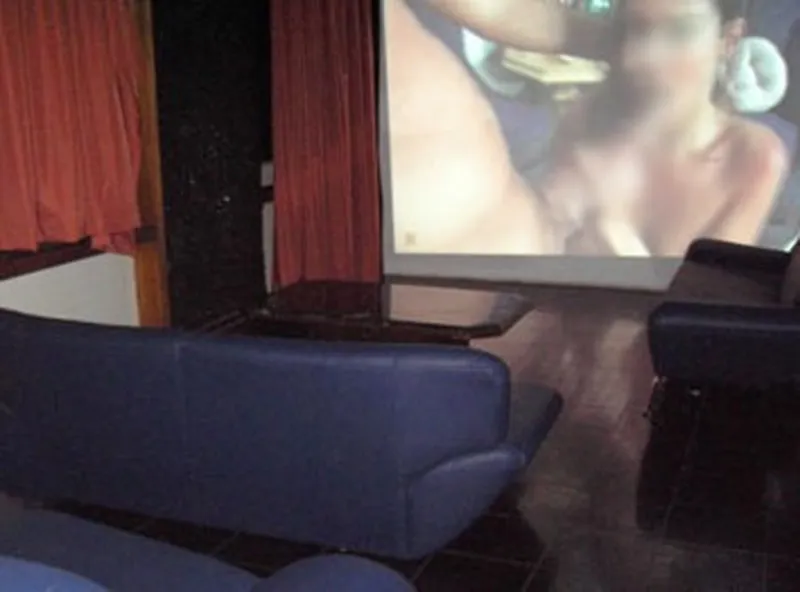
- Adult cinema
- Finnish sauna
- SM room
- Steam bath
- Indoor whirlpool
No · 25
- Air conditioning
- Outdoor area (garden)
- Beer included
- Draught beer
- Card payment / ATM
- Cocktails
- Step-free access
- Food included
- Free parking
- Free Wi-Fi
- Live DJ
- Live shows
- Professional massage
- Pick-up service
- Overnight stay possible
- Valuables lockers
- Screened parking
- Slot machines
- Soft drinks included
- Live sport on TV
- Indoor pool
- Outdoor pool
- Solarium
- Hot dinner
- Outdoor whirlpool
More features
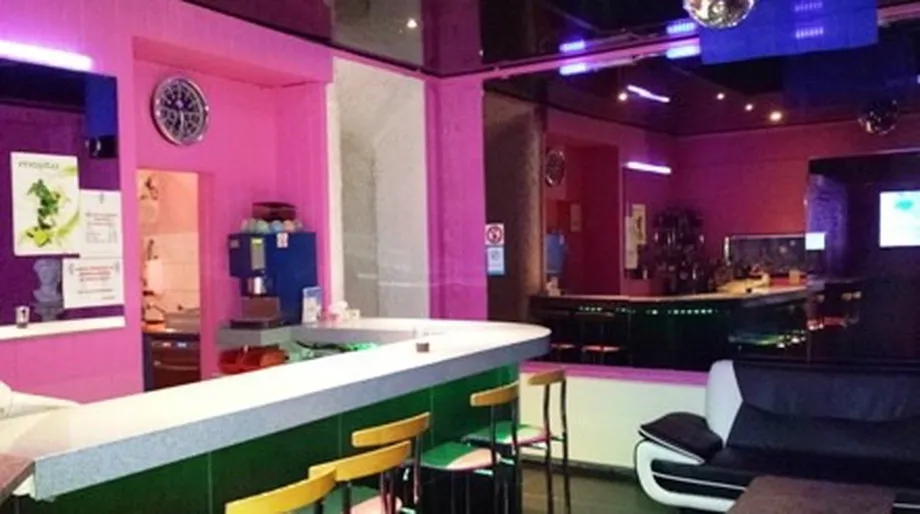
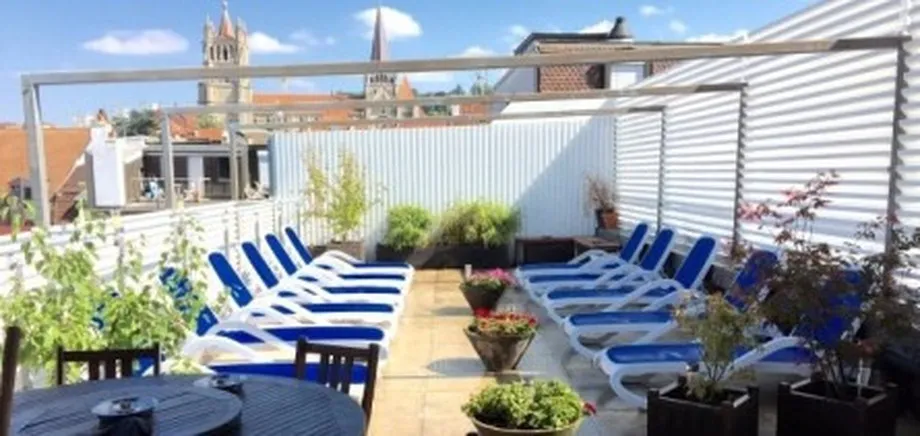
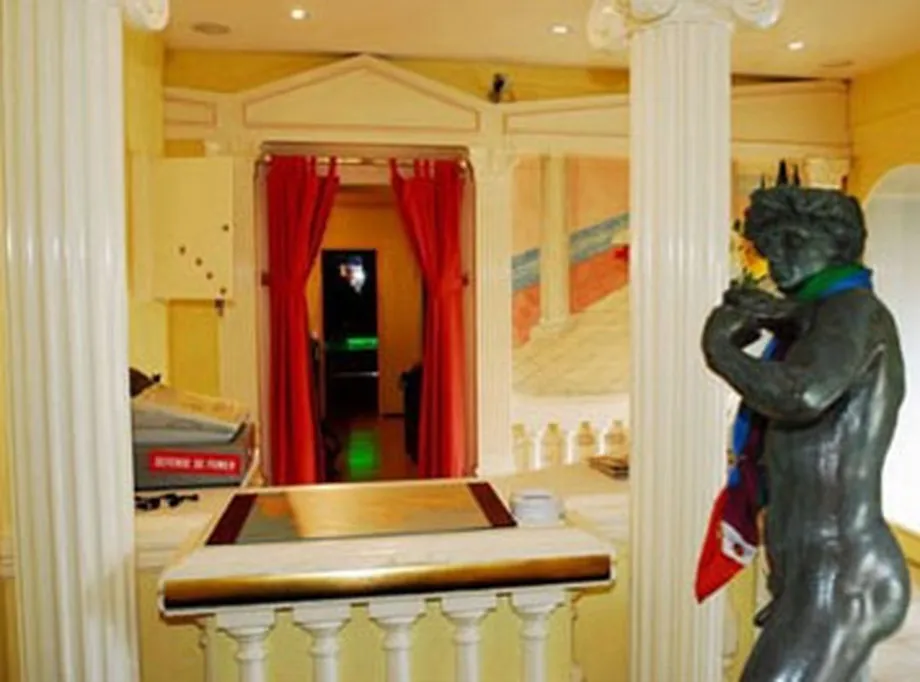
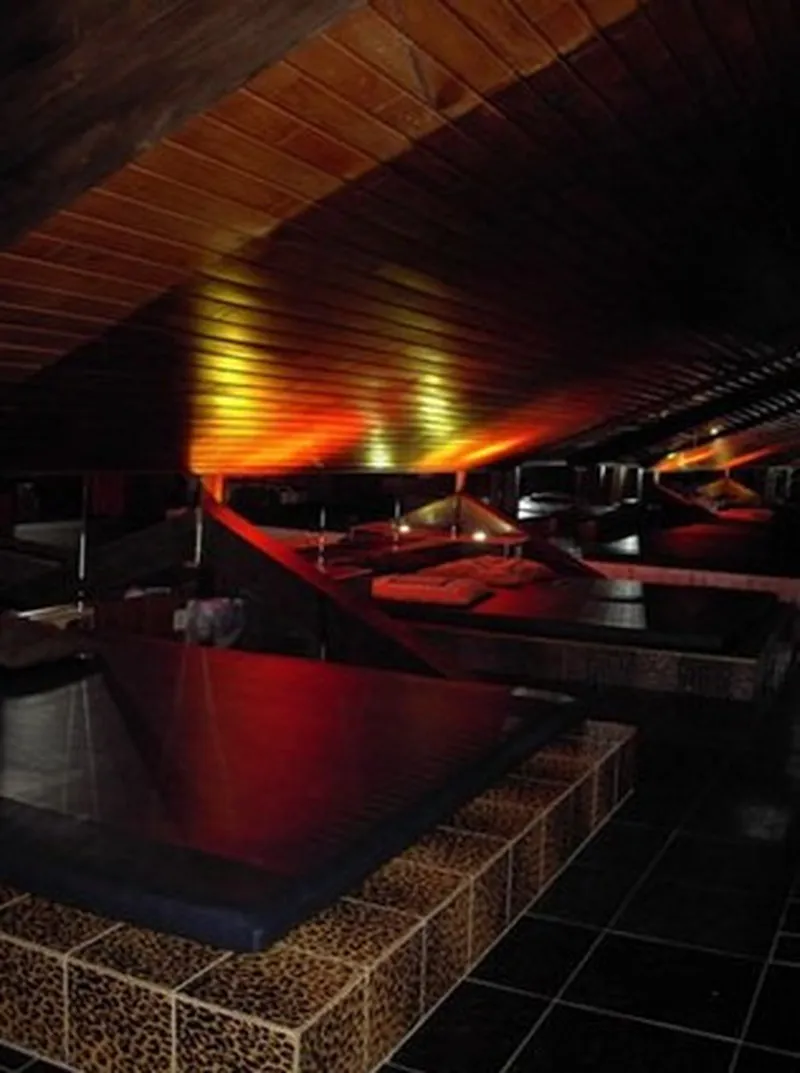
Mixed sauna in the heart of Lausanne (Galerie St-François) for men, women and couples. Large steam bath, whirlpool, Finnish sauna, 11 closed cabins (2 with mirrors), lounges, large open room, roof terrace, SM cabin, glory hole, cinema, bar, smoking room. Naked under the towel, no phones or photos. Hostesses work independently.
Size / area
Very small club
- Indoor
- 300 m²
- Outdoor
- 50 m²
What to expect at FKK New Relax Lausanne (CH)
Lausanne
- Name origin
- vikanor[um] (from Latin "vicus" = settlement) Lousonnensium (from Celtic "lausā" = stone slab; the suffix "-ŏnna" can be understood as a reference to a body of water) --> Lausanna --> Losanna
- First documented mention
- 2nd century AD
- Population
- 140,000
- Area
- 41.38 km²
- Canton
- Waadt (Vaud)
- District
- Lausanne
- Vehicle registration
- VD
- River
- Chamberonne-->Lac Léman, Vuachère-->Lac Léman, Louve, Flon
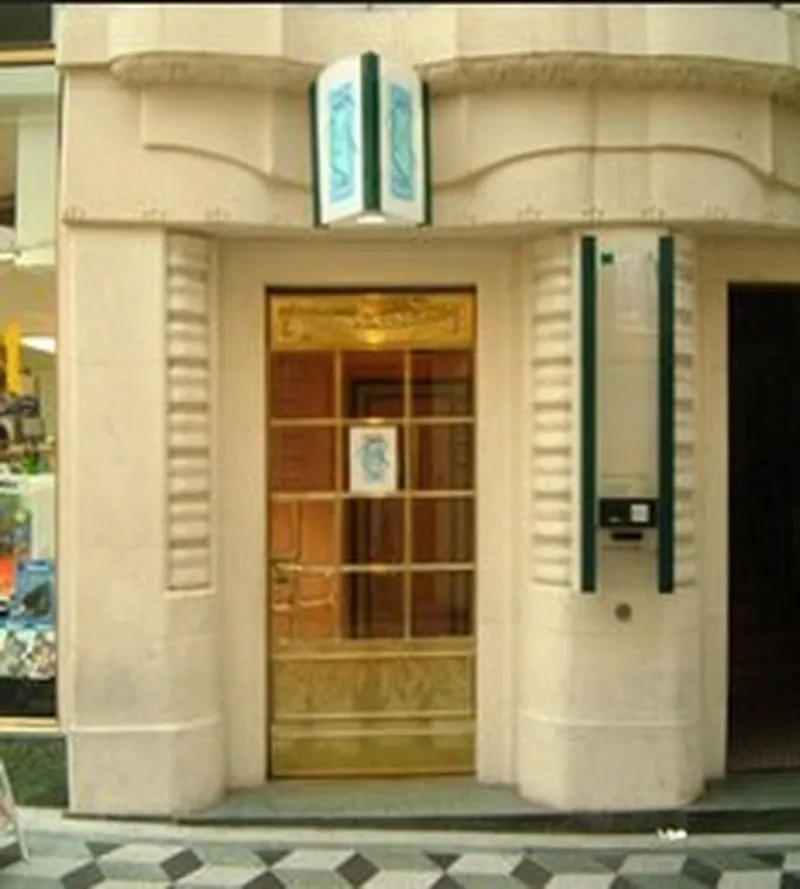
The club FKK New Relax is located in Lausanne, on the north side of the station in the Galeries St-François.
Lausanne is the fourth-largest city in Switzerland by population, the seat of the Swiss Federal Supreme Court and the capital of the French-speaking canton of Waadt. It sits at 372 m above sea level on the northern shore of Lake Geneva and rises steeply over its hills to the Jorat elevation in the hinterland, part of the city's territory, reaching up to 929 m above sea level. Lausanne, the second-largest city on Lake Geneva, combines a dynamic business city with the setting of a holiday resort. The capital of the canton of Waadt is also a lively university city and a popular congress destination. In this Olympic Capital, sport and culture are held in high esteem.
Lausanne is home to the following sporting institutions:
Court of Arbitration for Sport (TAS), International Olympic Committee (IOC), Olympic Museum, International Table Tennis Federation, Fédération Internationale de Volleyball, International Baseball Federation, Fédération Internationale de Hockey, Fédération Internationale d'Escrime, International Federation of Equestrian Sports, Fédération Internationale des Luttes Associées, World Dance Sport Federation, Fédération Internationale de Natation, World Archery Federation, Fédération Aéronautique Internationale, International Canoe Federation and Fédération Internationale des Sociétés d'Aviron.
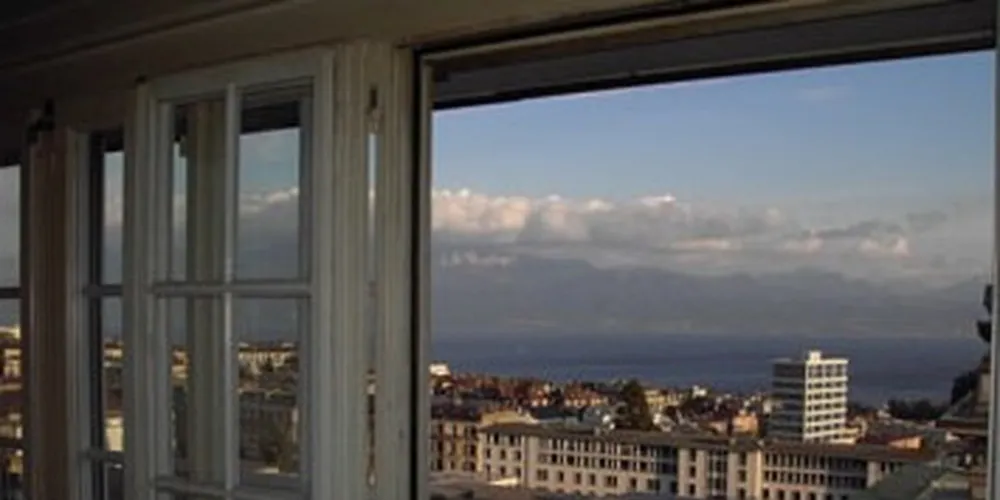
The setting of Lausanne is very picturesque: the city is built on three hills, surrounded by vineyards, with Lake Geneva at its feet. On the opposite French shore, the Savoy Alps rise impressively. The picturesque old town is largely car-free. Small alleys with cafés and boutiques characterise the streetscape in the medieval city centre.
Culture in all its facets holds a high place in Lausanne. Among the larger venues are the Stadttheater, the Théâtre Vidy-Lausanne and the Théâtre de Beaulieu. Lausanne also has a number of smaller concert and theatre halls. The Collection de l'Art Brut at Schloss Beaulieu, the Fondation de l'Hermitage, the photography museum "Musée de l'Elysée" and much more are well worth a visit. The Cinémathèque suisse is also located in the municipality of Lausanne. Several libraries, including the Kantons- und Universitätsbibliothek, round off the cultural offering.
Lausanne is a city of festivals. The Festival de la Cité and the Prix de Lausanne, a dance competition, are among the most interesting events. Ballet also gets its due, as the Concours de Lausanne for new choreography is held here every year. All genres of music likewise find a broad audience in the beautiful city on Lake Geneva.
The flair of the municipality of Lausanne is best felt on a relaxed stroll through the city. The Cathedral Notre-Dame dominates and essentially shapes the cityscape. It was built following the pattern of a Gothic basilica and was consecrated in 1275. Right next to the cathedral, in the Quartier de le Cité, further medieval buildings are very well preserved on a hill. A more recent sacred building is the catholic Basilika Notre-Dame du Valentin, dating from 1832.
And what would Lausanne be without the Schloss Saint-Maire? The Château was built in the 15th century, though its core dates back to the 11th century. The massive cubic structure is flanked by four corner towers. The upper storey shows brick architecture. The castle was once the bishop's seat and later the seat of the Bernese Landvogt. One lets the atmosphere sink in and strolls on to the Quartier de la Palud. This was once the market quarter of Lausanne. The façade of the Hôtel de Ville, the town hall, displays a remarkable design from the Renaissance period.
The old town is dominated by the cathedral, considered the most impressive early Gothic building in Switzerland. Lausanne was a bishop's seat for more than a millennium. Around the cathedral there are shopping streets, as there are in the pretty harbour district of Ouchy. Switzerland's only "Metro" connects the districts and makes getting around easier in this city built on a slope.
Worth seeing are the southern-flavoured parks and the magnificent palace hotels such as the Beau-Rivage Palace in Ouchy or the Hotel de l'Angleterre, where Lord Byron himself once stayed. Gourmets in Lausanne enjoy the many regional specialities such as "Papet Vaudois" (leek and cabbage sausage gratin). However, the master chef Fredy Girardet, once crowned "Cuisinier du siècle", Chef of the Century, by his colleagues, has since retired and has handed over his sceptre at the Hôtel de Ville to his successor.