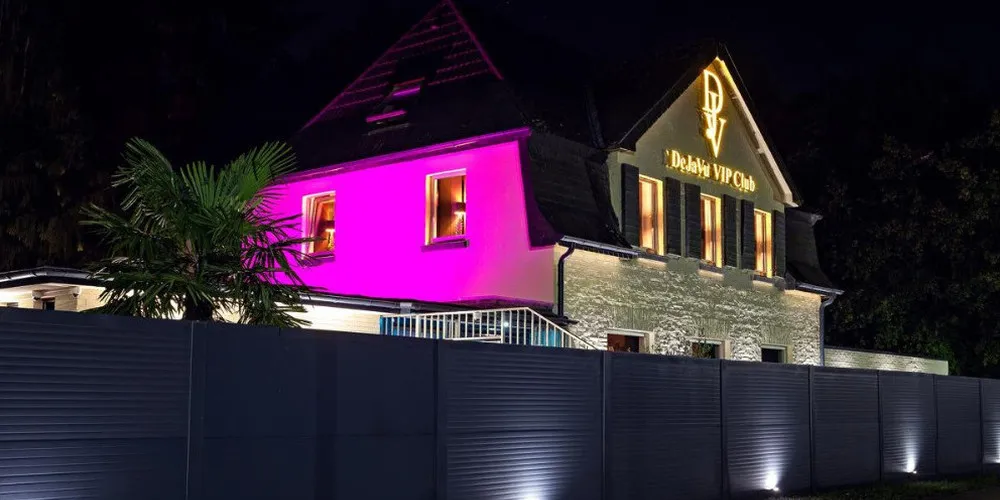
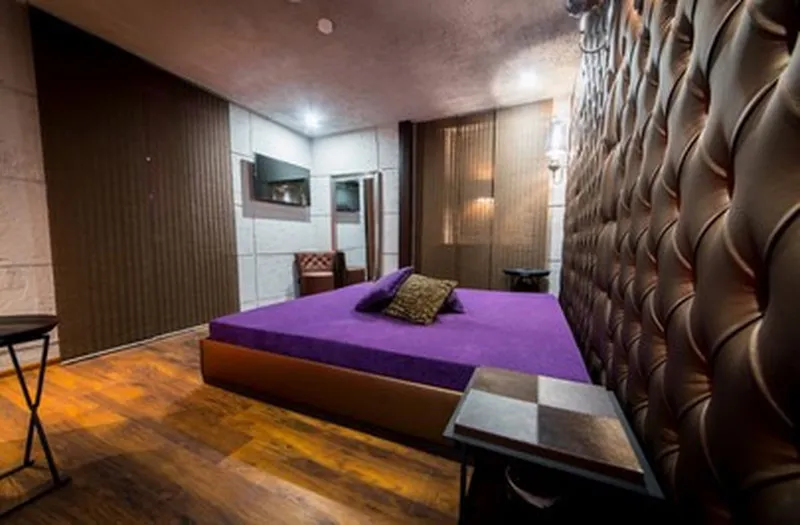
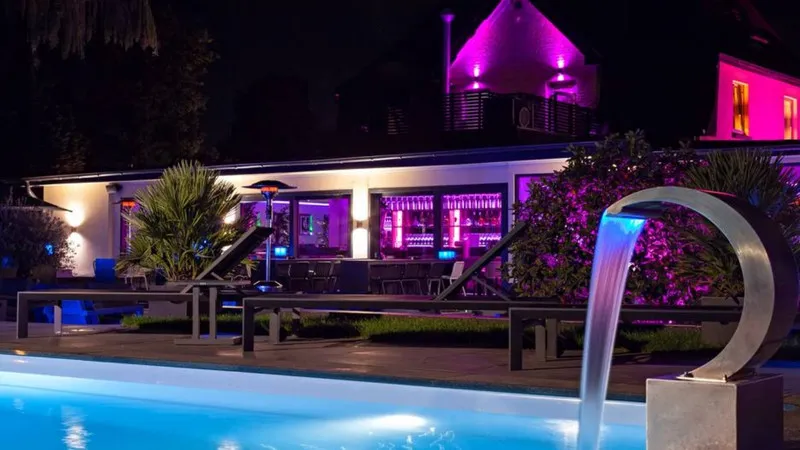
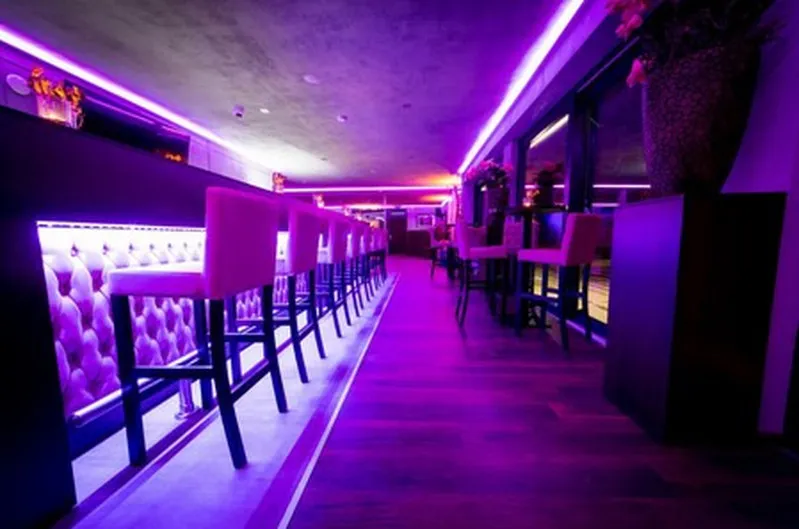
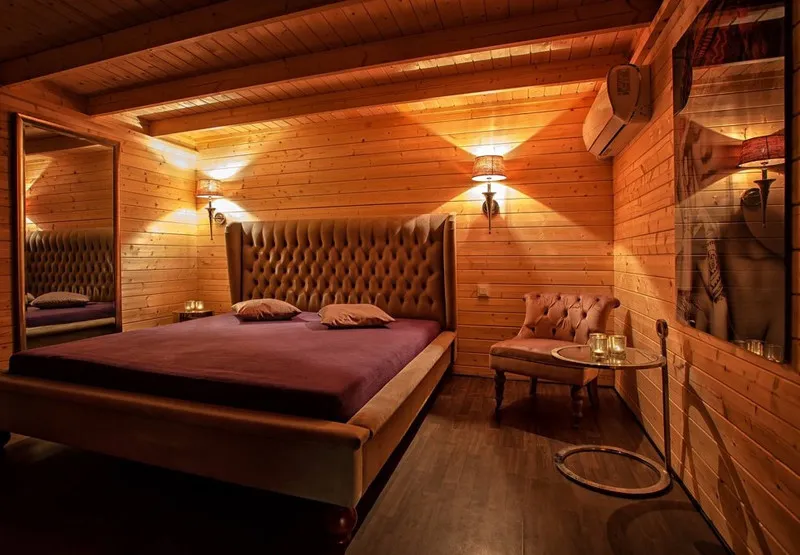
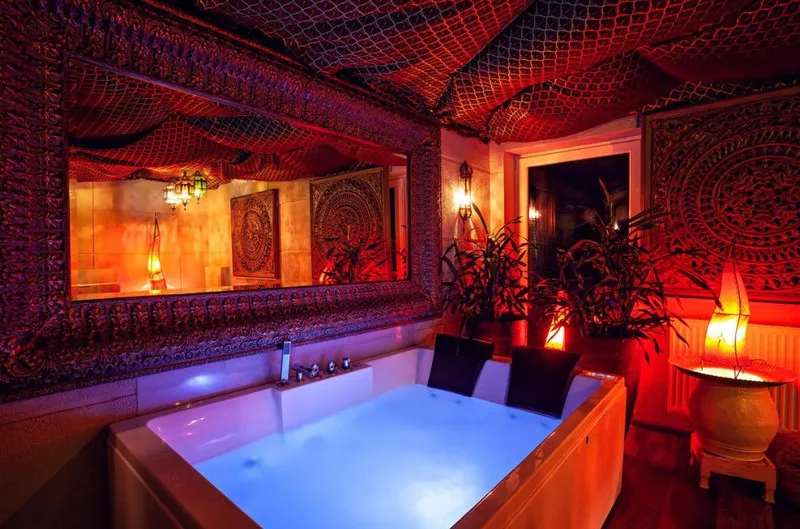
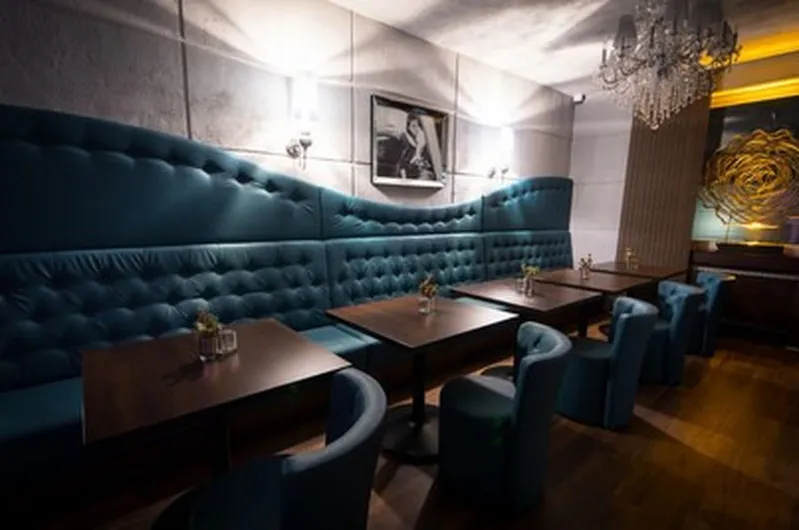
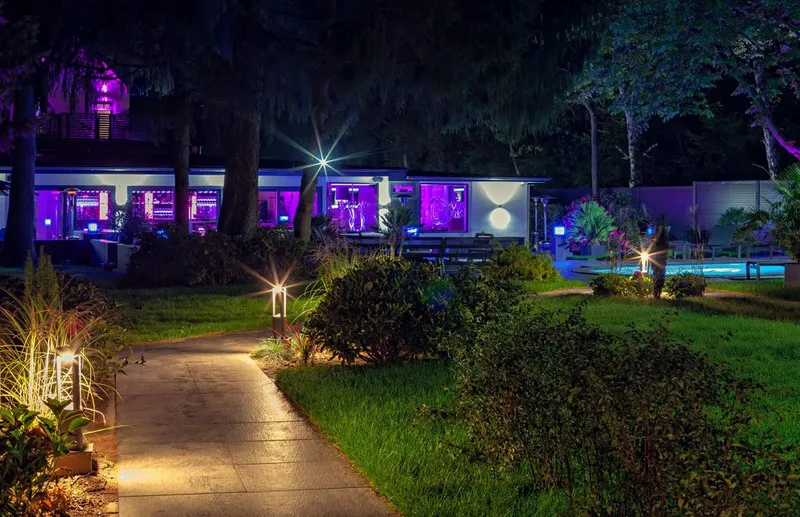
DejaVu VIP Club Wachtendonk
Lampesweg 1, 47669 Wachtendonk
Last updated on
Something wrong or missing?
This club has closed for good.
Clubs nearby · DejaVu VIP Club Wachtendonk
Prices, opening times and all features · DejaVu VIP Club Wachtendonk
Features
Yes · 18
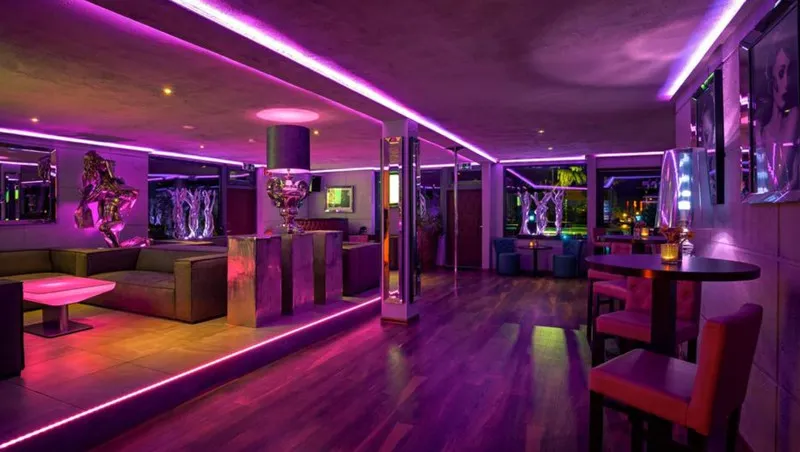
- Air conditioning
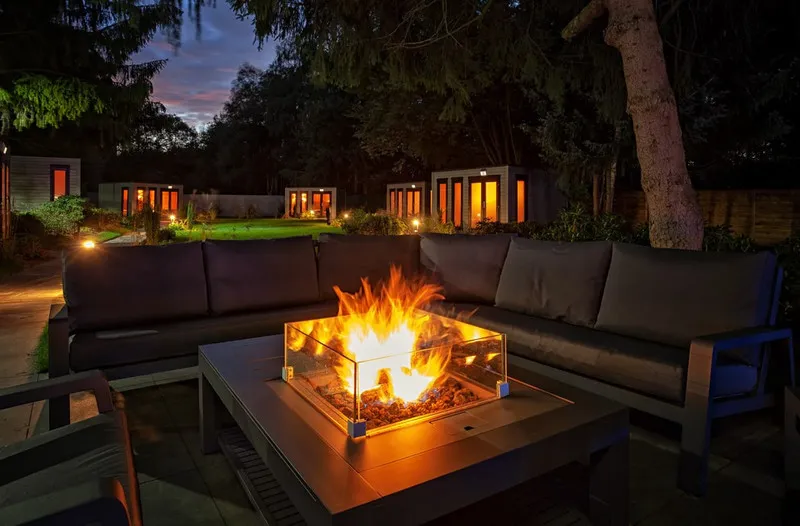
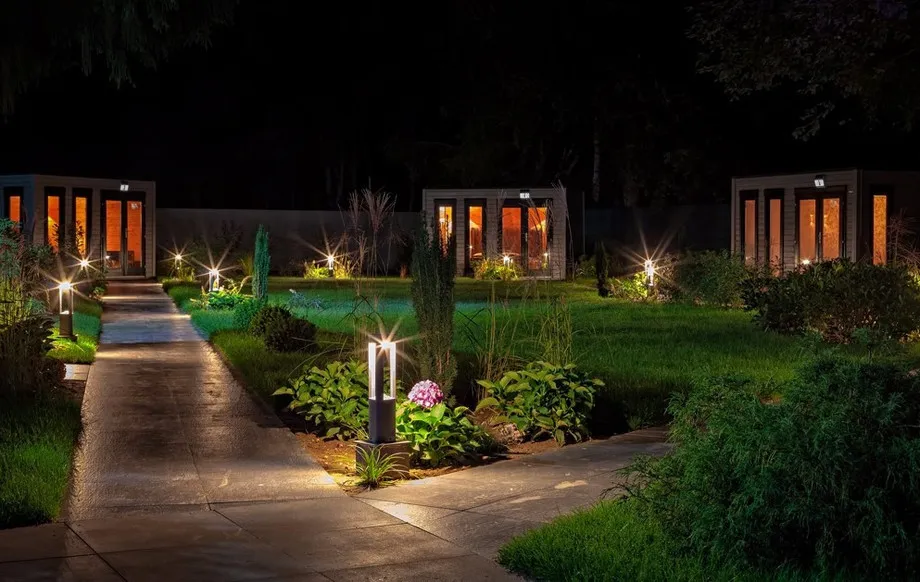
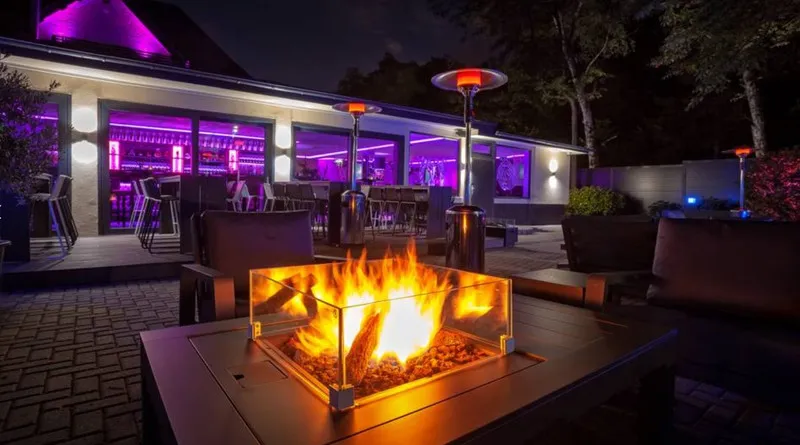
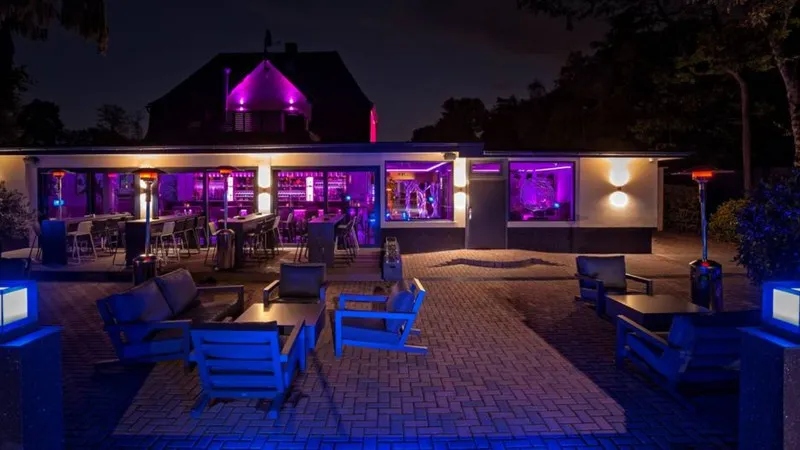
- Outdoor area (garden)
- Beer included
- Draught beer
- Card payment / ATM
- Step-free access
- Food included
- Free parking
- Free Wi-Fi
- Live DJ
- Finnish sauna
- Screened parking
- Slot machines
- Soft drinks included
- Live sport on TV
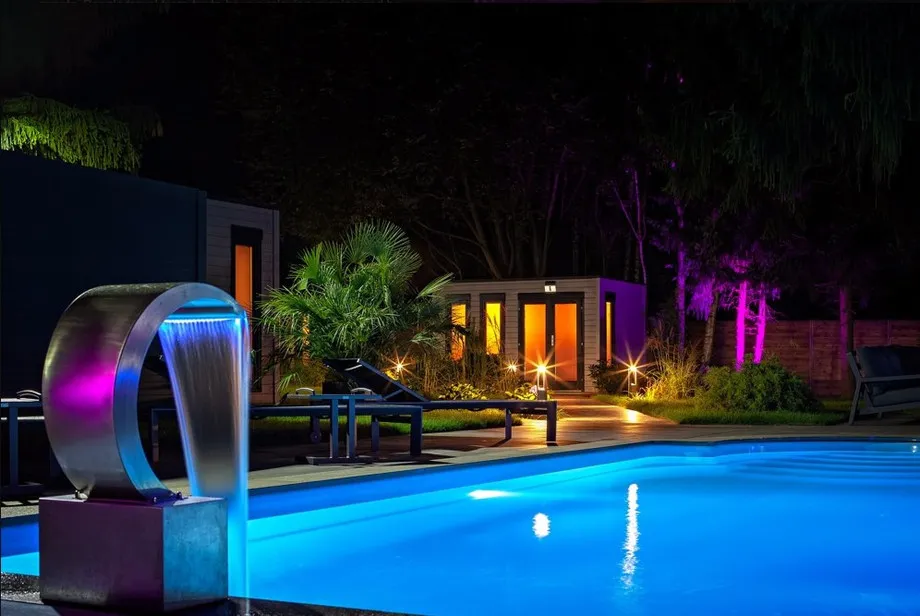
- Outdoor pool
- Hot dinner
- Indoor whirlpool
No · 12
- Cocktails
- Live shows
- Professional massage
- Pick-up service
- Adult cinema
- Overnight stay possible
- Valuables lockers
- SM room
- Steam bath
- Indoor pool
- Solarium
- Outdoor whirlpool
More features
Size / area
Very large club
- Indoor
- 800 m²
- Outdoor
- 4000 m²
What to expect at DejaVu VIP Club Wachtendonk
Wachtendonk
- Name origin
- Vogtendonk (bailiwick on a hill) --> Wachtindunc
- First documented mention
- 1196 AD
- Population
- 8,200
- Area
- 48.17 km²
- Federal state
- Nordrhein-Westfalen
- Administrative region
- Düsseldorf
- District
- Kleve
- Vehicle registration
- KLE, GEL
- River
- Nette-->Niers
The DejaVu VIP Club is located in a small wooded area on the A40, about 1 km east of the Straelen exit.
Wachtendonk is a municipality in the Lower Rhine lowlands in the Kreis Kleve, which since 1 July 1969 has consisted of the two localities Wachtendonk and Wankum along with their associated districts.
The area around Wachtendonk was settled in early times by Romans and later by Franks. Around the 9th century it was called Geisseren and was territory of the Electorate of Cologne. The bailiffs of the Archbishop of Cologne built a first castle here on a hill called a Donk, called the Vogtenburg, from which the present name of the settlement that grew up in the castle's shadow derives. In 1343 it received town rights, which it did not lose until 1794 under Napoleonic occupation. Between 1343 and 1468 a bitter dispute raged between the duchies of Kleve and Geldern over Wachtendonk; after the Battle of Straelen the town fell to Geldern.
During the Eighty Years' War (1568-1648), the Dutch struggle for freedom against Spanish rule, Wachtendonk was conquered several times by the Dutch and retaken by Spanish troops. In the process, the once proud and impressive castle was razed by the Spanish in 1607. In 1713, after the end of the War of the Spanish Succession, Wachtendonk finally fell to Prussia in the Peace of Utrecht and remained there - with the exception of the years 1794-1815 under French occupation - until Prussia's collapse in 1945.
Wachtendonk has a beautifully restored town centre, supported by the state of NRW, with numerous listed buildings such as the parish church St. Michael, the Pulverturm, Haus Püllen, the town hall, the manor house Rittergut Haus Langenfeld, as well as the ruins of Burg Wachtendonk on the banks of the Niers. The region is furthermore, thanks to its idyllic location within the Naturpark Schwalm-Nette with destinations such as the Wankumer Heide, the "blaue Lagune," the Niers with its many leisure opportunities, as well as a wide range of inviting inns, a popular excursion destination for day-trippers from both sides of the German-Dutch border.