FKK Grimbergsauna Gelsenkirchen [RTC] (D)
Grimbergstraße 12, 45889 Gelsenkirchen
Last updated on
Something wrong or missing?
Prices, opening times and all features · FKK Grimbergsauna Gelsenkirchen [RTC] (D)
Features
Yes · 1
- Finnish sauna
No · 29
- Air conditioning
- Outdoor area (garden)
- Beer included
- Draught beer
- Card payment / ATM
- Cocktails
- Step-free access
- Food included
- Free parking
- Free Wi-Fi
- Live DJ
- Live shows
- Professional massage
- Pick-up service
- Adult cinema
- Overnight stay possible
- Valuables lockers
- Screened parking
- Slot machines
- SM room
- Soft drinks included
- Live sport on TV
- Steam bath
- Indoor pool
- Outdoor pool
- Solarium
- Hot dinner
- Indoor whirlpool
- Outdoor whirlpool
More features
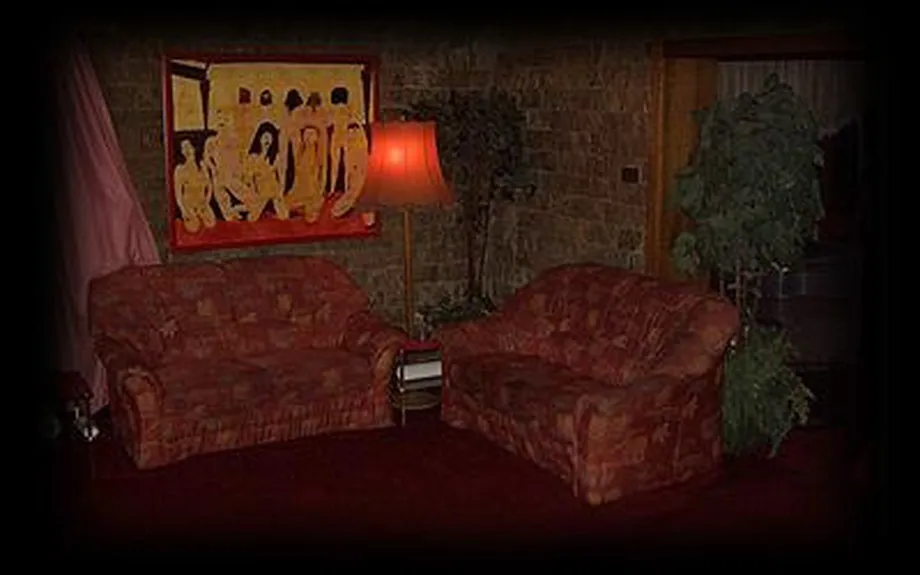
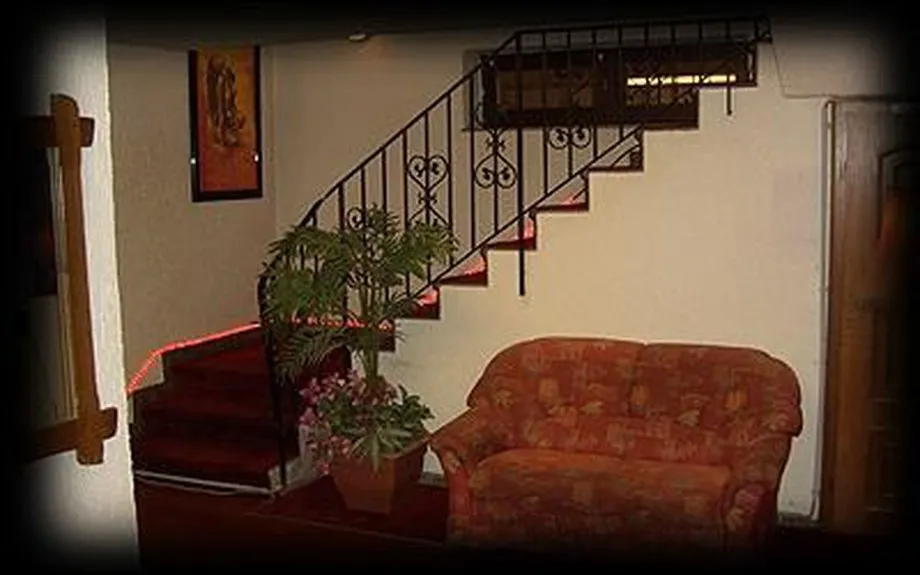
By its own description the region's premium FKK club with a living-room atmosphere. Sauna, beach chairs, relaxation areas. 8 to 12 ladies every day.
Size / area
Medium-sized club
- Indoor
- 500 m²
- Outdoor
- 500 m²
What to expect at FKK Grimbergsauna Gelsenkirchen [RTC] (D)
Gelsenkirchen
- Name origin
- Geilistirinkirkin (Germanic, = church by the settlers)
- First documented mention
- 1150 AD
- Population
- 260,000
- Area
- 104,94 km²
- Federal state
- Nordrhein-Westfalen
- Administrative region
- Münster
- District
- /
- Vehicle registration
- GE
- River
- Emscher
The club FKK Grimbergsauna is located in Gelsenkirchen-Bismarck.
Well-known people born in Gelsenkirchen include Fritz Szepan, Ernst Kuzorra, Norbert Nigbur, Rüdiger Abramczik, Volker Abramczik, Olaf Thon, Manuel Neuer, Mesut Özil, İlkay Gündoğan and Ulrich Potofski. That's practically only footballers - and that already seems to say quite a bit about this mates' town. Gelsenkirchen is home to the little working man who has practically only Schalke 04 on his mind and fills his flat with cabinets and chests of drawers financed with hard-earned cash - mostly bulky, usually curved and high-gloss veneered with fine wood, more or less tastelessly ornamented pieces - that people ironically or disparagingly call Gelsenkirchener Barock. Whether it's "Aus der Tiefe des Raumes", "Fußball ist unser Leben", "Solino", "Der Prinz von Wanne-Eickel", "Kleine Haie", "Johnny Flash" or "00 Schneider" - whenever a film is produced that's meant to convey Ruhrpott flair, it's preferably shot against a Gelsenkirchen backdrop, where the chimneys still "really do smoke".
But all of that reflects, at best, the state of the 1950s and doesn't have much to do with the reality of Gelsenkirchen anymore. Just like everywhere else, the city has developed further and pulses to modern rhythms. Sure, FC Schalke 04 is still the city's big brand, but if you look at the current squad, you'll notice that practically no player on the team is actually born in Gelsenkirchen anymore - that would have been unthinkable in the past. Even the great traditional club from the Ruhr area - currently the third-largest German sports club by membership and fifth-largest worldwide - has had to reinvent itself and today is more brand than home.
The undisputedly most legendary German football club (Westfalia) Schalke 04 emerged directly from the mining milieu. Things once got pretty hot on Schalke and the surrounding area: from the early to mid-20th century up until about the 1960s, Gelsenkirchen was Europe's number one location for hard coal. The church settlement "Gelstenkerken", first documented around 1150 - presumably an offshoot of the parent deanery in neighbouring Essen - was sparsely populated until around 1800 and a completely insignificant place. Then came the discovery of "black gold" (hard coal), the railway connection and Friedrich Grillo with his "Schalker Gruben- und Hüttenverein" and the "Aktiengesellschaft für Chemische Industrie", and the city's meteoric rise began. Dozens of mines sprang up and coking plants shaped the cityscape. The cheap labour needed was brought in from Poland or Prussia, Posen and Silesia from the mid-19th century onwards, and then, during the last boom phase of the 1950s, from Southern Europe. In the melting point that is the Ruhr area, it was precisely here in Gelsenkirchen that the mates' mentality so typical of the Ruhrpott developed.
The decline of the mining industry has of course hit Gelsenkirchen hard. In the most recently published Zukunftsatlas 2016, the city ranks last among German major cities out of 400 German districts and independent cities, even behind Herne, Oberhausen and Duisburg. But that's no reason to paint a bleak picture. Gelsenkirchen is still home to major industrial companies such as BP, E.ON or Gelsenwasser. The modernisation of the city's infrastructure for the 2006 World Cup also achieved a lot. The city is also gearing up for the future as a location for the solar industry. And - who would have thought it: with a 35% share of parks, forests and agricultural land, Gelsenkirchen is one of the cities with an above-average proportion of green space. This offers plenty of opportunity to relax extensively at leisure spots like the ZOOM-Erlebniswelt, Schloss Berge, or in the landscape parks Nordpark, Heßler, Nienhausen and Hoheward. Reason enough to give a cheerful "Glückauf, Gelsenkirchen".