Coconut Beach Saarlouis (D)
Hülzweiler Straße 96, 66740 Saarlouis
Last updated on
Something wrong or missing?
This club has closed for good.
Clubs nearby · Coconut Beach Saarlouis (D)
Prices, opening times and all features · Coconut Beach Saarlouis (D)
Features
Yes · 12
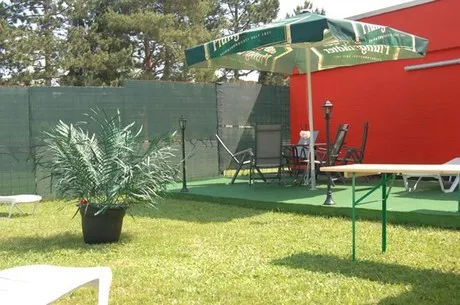
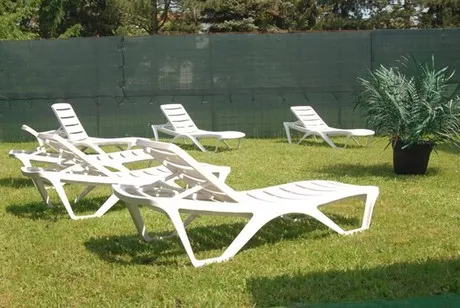
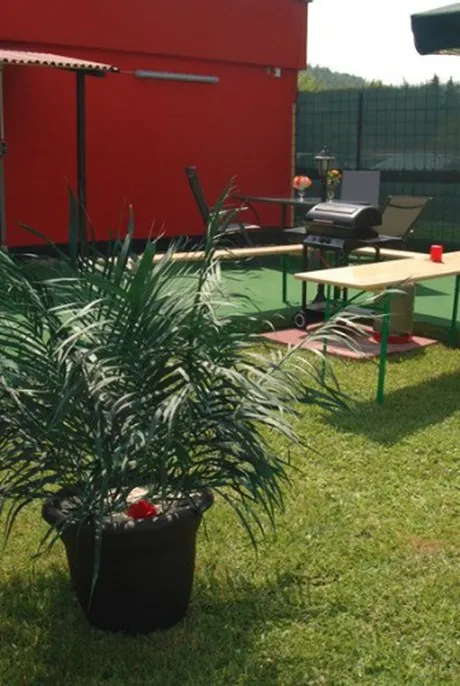
- Outdoor area (garden)
- Draught beer
- Free parking
- Professional massage
- Overnight stay possible
- Finnish sauna
- Screened parking
- Slot machines
- Live sport on TV
- Steam bath
- Solarium
- Indoor whirlpool
No · 18
- Air conditioning
- Beer included
- Card payment / ATM
- Cocktails
- Step-free access
- Food included
- Free Wi-Fi
- Live DJ
- Live shows
- Pick-up service
- Adult cinema
- Valuables lockers
- SM room
- Soft drinks included
- Indoor pool
- Outdoor pool
- Hot dinner
- Outdoor whirlpool
More features
Size / area
Medium-sized club
- Indoor
- 600 m²
- Outdoor
- 400 m²
What to expect at Coconut Beach Saarlouis (D)
Saarlouis
- Name origin
- Sarre-Louis (referring to Louis XIV), for a time also Sarre-Libre, Saarlautern
- First documented mention
- 1680 AD, founded under Louis XIV as a fortress town
- Population
- 35,000
- Area
- 43.27 km²
- Federal state
- Saarland
- Vehicle registration
- SLS
- River
- Saar
The Club Coconut Beach is located in Saarlouis-Fraulautern.
Saarlouis is the sixth-largest city in Saarland and lies about 25 kilometres northwest of Saarbrücken, right next to the French border. It came into being after the Peace of Nijmegen in 1679, in which Lorraine fell to France, and Louis XIV had a fortress town built on the former grounds of Wadgassen Abbey. The former fortress of Saarlouis (Sarre-Louis, Sarre-Libre from 1793–1810) still shapes the hexagonal layout of the town centre today. From 1887 onward the fortress was demolished; ramparts survive from that era - today used as casemates for gastronomy - along with moats.
In 1815 Saarlouis fell to Prussia; after the end of the First World War in 1918, Saarlouis was once again occupied by France and placed under the administration of the League of Nations. On 1 March 1935 the Saar region became part of the German Reich again and was thereafter called Saarlautern. The name Saarlouis was reintroduced after the war in 1945. The city has been a Bundeswehr garrison town since 1972. It can be easily reached via the A8/A620 motorway and has its own train station.
The old Paradeplatz (Place d'Armes) with its baroque Kommandantur is today called Großer Markt and is the central square in the town centre. It is also home to the Catholic parish church St. Ludwig, the most important sacred building in Saarlouis, dating from 1685. The town hall, located on the corner of Großer Markt/Deutsche Straße, was built between 1951 and 1954.
The most important employer in the city is the Ford plant in the Röderberg industrial area. In addition, owing to a closely interwoven industrial history, there is lively economic cooperation between Saarlouis and neighbouring Dillingen.
Michel Ney, Napoleon's famous field marshal, as well as Heinrich Marx, the father of Karl Marx, and Oskar Lafontaine were born in Saarlouis.